Dance & Drama

Balinese Traditional Dance — Where to See Authentic Performances

By Adhil P Bhaskaran, Founder Updated April 2026 8 min read

Balinese traditional dance is one of the most extraordinary performing arts traditions on earth — a hypnotic fusion of precisely choreographed movement, elaborate costuming, live gamelan orchestration, and spiritual storytelling that has been recognized by UNESCO as an Intangible Cultural Heritage of Humanity. Unlike Western dance forms that separate entertainment from spirituality, Balinese dance exists simultaneously as artistic expression, religious ritual, and community celebration. Every movement of the eyes, every flutter of the fingers, every angle of the head carries specific meaning drawn from centuries of tradition, creating performances that are visually spectacular and spiritually profound in equal measure.

Bali Malayali considers attending a traditional dance performance to be an absolute must for every visitor, as essential to understanding Bali as visiting a temple or watching a sunset. Our team has attended performances across the island — from the famous Kecak fire dance at Uluwatu Temple, where a chorus of chanting men creates a wall of sound as the sun drops into the ocean, to intimate Legong performances in Ubud palace courtyards that showcase the otherworldly grace that takes dancers decades to master. We know which performances are genuinely traditional and which are tourist-oriented abbreviations, and this guide helps you find the most authentic experiences.

Whether you are drawn to the dramatic mythology of the Barong dance, the mesmerizing precision of Legong, the raw power of the Kecak, or the spiritual mystery of the Sanghyang trance dance, Bali Malayali will guide you to performances that reveal the living heart of Balinese culture in the most spectacular fashion imaginable.
Kecak Fire Dance — Bali's Most Dramatic Performance

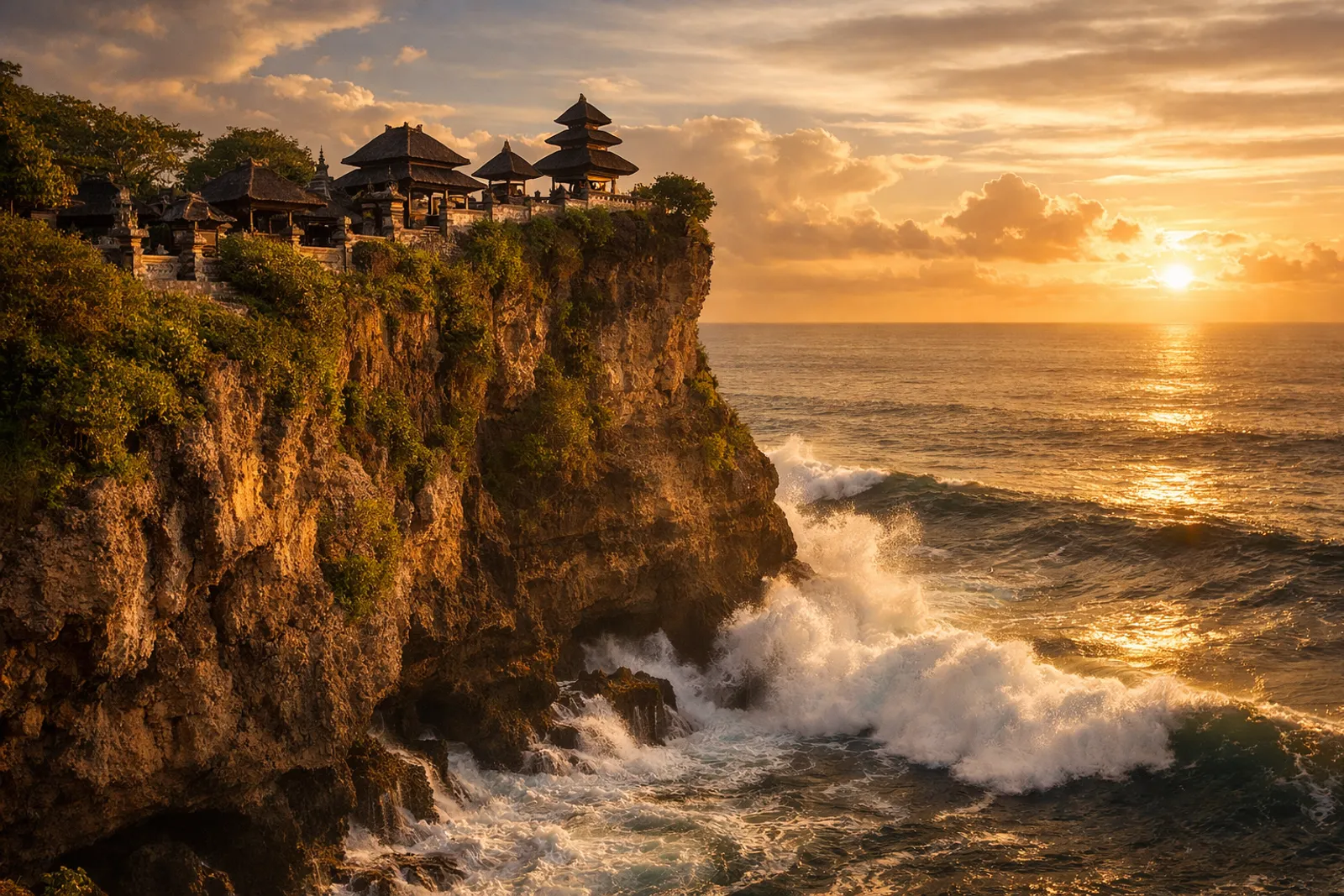
The Kecak dance, also known as the Ramayana Monkey Chant, is Bali's most iconic and visitor-friendly performance — a dramatic retelling of the Hindu Ramayana epic performed by a chorus of up to 150 bare-chested men who sit in concentric circles, chanting rhythmically and swaying in unison to create an mesmerizing wall of sound that replaces the traditional gamelan orchestra. The performance depicts Prince Rama's rescue of his wife Sita from the demon king Ravana, with the monkey army of Hanuman providing the dramatic climax. The most famous Kecak venue is the Uluwatu Temple amphitheater, where performances take place at sunset against the backdrop of the cliff edge and the Indian Ocean — as the sky turns red and the chanting intensifies, the effect is genuinely spine-tingling. Arrive at least 30 minutes early to secure front-row seating, and be prepared for the fire dance finale where a performer in trance kicks through burning coconut husks. The combination of spiritual intensity, theatrical drama, and natural beauty makes Uluwatu Kecak one of the most powerful performing arts experiences available anywhere.

Legong — The Art of Supreme Grace

Legong is considered the most refined and technically demanding of all Balinese dance forms, traditionally performed by pre-pubescent girls who undergo years of intensive training to achieve the extraordinary precision and grace the form demands. The dance features intricate finger movements, rapid eye movements, and precisely controlled body angles that create an almost supernatural elegance. The most common version, Legong Kraton (Court Legong), tells the story of a king who kidnaps a princess, with three dancers portraying the king, the princess, and a divine bird who foretells the king's defeat in battle. The costumes are breathtaking — gold brocade bodices, gilded leather headdresses adorned with frangipani flowers, and long trailing sashes that become extensions of the dancers' movements. The best place to see authentic Legong is at the Ubud Royal Palace, which hosts different dance companies several evenings each week. The palace courtyard, lit by flickering torches and framed by ornate temple architecture, creates an intimate atmosphere that perfectly complements the refined beauty of the dance.

Barong Dance — Good Versus Evil

The Barong dance is a dramatic depiction of the eternal battle between good (Barong, a lion-like creature) and evil (Rangda, the demon queen), performed as a ritualistic drama that blurs the boundary between performance and spiritual ceremony. The Barong character, operated by two dancers inside an elaborate costume of fur, mirrors, and gilded ornaments, represents the protective spirit of the community. Rangda, with her wild hair, long tongue, and terrifying fangs, embodies destructive forces. The performance climaxes when Rangda casts a spell on warriors who turn their krises (daggers) upon themselves in a trance state — the Barong's protective magic prevents the blades from piercing their skin. This trance element is genuine and deeply respected in Balinese culture. Regular Barong performances take place in Batubulan village, about 20 minutes from Ubud, every morning. While these performances are staged for tourists, the trance elements are treated with genuine spiritual seriousness, and the costumes and choreography maintain traditional standards.

Where to See Authentic Performances

The most reliable venues for high-quality traditional dance are concentrated in and around Ubud, which has a formal rotation of performances at multiple venues throughout the week. The Ubud Royal Palace (Puri Saren Agung) hosts Legong, Barong, and other performances several evenings weekly at 7:30pm, in an atmospheric palace courtyard setting. The ARMA Museum open stage presents excellent performances with helpful pre-show explanations of the stories and symbolism. Tirta Sari and Gunung Sari are two of Ubud's most respected dance companies, performing at various venues on rotation. For Kecak, Uluwatu Temple remains the premier venue — performances run daily at sunset (6:00pm). In Denpasar, the Bali Arts Festival (June-July) showcases the island's finest dance companies in competition, offering the highest possible standard. For deeply authentic village performances during temple ceremonies (odalan), ask your accommodation to check what is happening locally during your visit — these unscripted, community-oriented performances are the most genuine of all.

Understanding the Stories & Symbolism

Balinese dance draws its narratives primarily from two great Hindu epics — the Ramayana and the Mahabharata — along with indigenous Balinese mythology and historical court tales. Understanding the basic stories dramatically enhances the viewing experience. The Ramayana follows Prince Rama's quest to rescue his wife Sita from the demon king Ravana, aided by the monkey general Hanuman — this narrative underpins the Kecak and many Legong variations. The Mahabharata, a vast epic of warring royal families, provides material for shadow puppet performances and several dance dramas. The Barong and Rangda narrative draws from indigenous Balinese mythology about the balance between protective and destructive spiritual forces. Key visual elements to watch for include the eye movements (netra), which express emotion and character, the hand positions (mudra), which carry specific meanings, and the relationship between the dancer's movements and the gamelan music, where specific melodic phrases trigger specific choreographic responses. Most tourist-oriented performances include a brief explanation before the show, but arriving with basic knowledge of the Ramayana vastly enriches the experience.

Frequently Asked Questions

Where is the best Kecak dance in Bali?

Uluwatu Temple is the undeniable top choice for Kecak, performed at sunset on a cliff-edge amphitheater with the Indian Ocean as backdrop. Arrive 30-45 minutes early for the best seats. The combination of the chanting, the sunset, and the dramatic setting creates one of Bali's most powerful cultural experiences. Tickets cost around 150,000 IDR per person.

What is the most beautiful Balinese dance?

Legong is widely considered the most refined and beautiful Balinese dance form, featuring extraordinarily precise movements, stunning golden costumes, and graceful choreography that takes years to master. The best Legong performances take place at the Ubud Royal Palace on scheduled evenings. The intimate palace courtyard setting adds to the ethereal beauty of this UNESCO-recognized art form.

How much do Bali dance performances cost?

Tourist dance performances in Ubud typically cost 80,000-100,000 IDR ($5-7) per person. Uluwatu Kecak costs around 150,000 IDR. Premium seated performances at hotels or special venues may charge more. Temple ceremony performances during odalan are free to attend. The value is extraordinary considering the artistry and cultural significance of what you are witnessing.

When are dance performances held in Ubud?

Ubud has traditional dance performances almost every evening of the week, typically starting at 7:00-7:30pm. The Ubud Royal Palace, ARMA Museum, and several other venues rotate different dance styles. Pick up a monthly performance schedule from the Ubud Tourist Information Office on Jl. Raya Ubud, or check with your hotel reception for the current week's program.

Ready to Plan Your Bali Trip?

Our local team will craft a personalized itinerary tailored to your dates, preferences, and budget.

Plan My Trip on WhatsApp