Sunrise Magic

Dolphin Watching in Bali — Lovina Sunrise Experience

By Adhil P Bhaskaran, Founder Updated April 2026 5 min read

Watching wild spinner dolphins leap and dance in the golden light of a Bali sunrise is one of those travel moments that stays with you forever. The quiet fishing village of Lovina on Bali's northern coast has been famous for its resident dolphin population for decades, and the sunrise boat trips that depart each morning from its black sand beach remain one of the island's most magical and affordable experiences.

Bali Malayali frequently arranges Lovina dolphin trips for our guests, and we can honestly say that the joy of seeing pods of 50 to 100 spinner dolphins leaping in unison never gets old, no matter how many times you witness it. The experience combines the thrill of wildlife spotting with the serene beauty of sunrise over the Bali Sea, the calm waters of the north coast, and the dramatic mountain backdrop of Bali's volcanic interior.

This guide covers everything from the best time to visit for maximum dolphin sightings, how the tours work, what to bring, ethical considerations for responsible dolphin watching, and how to combine your Lovina trip with other North Bali attractions. Bali Malayali recommends spending at least one night in Lovina to avoid the 3 AM departure from South Bali that many day-trippers endure — arriving rested makes the experience infinitely more enjoyable.

How the Lovina Dolphin Tour Works

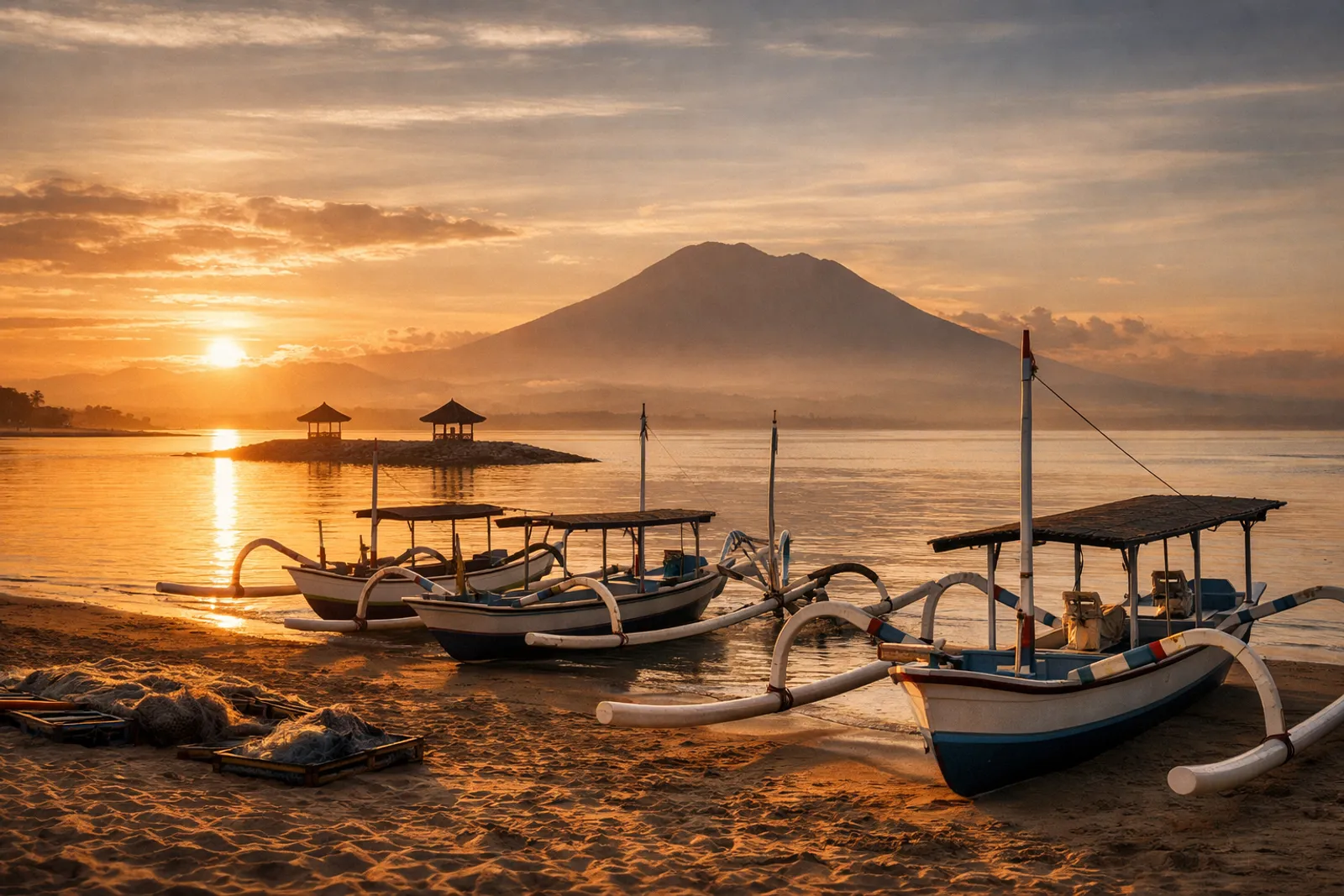
Tours depart from Lovina Beach between 5:30 and 6:00 AM, just before sunrise. You board a traditional Balinese jukung (outrigger canoe) that holds 2-4 passengers plus the boatman. The boats head out approximately 1-2 kilometres from shore to the areas where dolphins are most commonly spotted. The entire experience lasts about 2 hours. Spinner dolphins are the most common species, known for their acrobatic leaps and spins. Bottlenose dolphins are also spotted regularly. Sighting rates are approximately 90% during peak season from April to October and around 70% during the rainy season. The boatmen have decades of experience reading the water and know exactly where to go each morning.

Best Time to Visit and Seasonal Patterns

The dry season from April to October offers the best conditions for dolphin watching in Lovina. Seas are calmer, skies are clearer for sunrise photos, and dolphin sighting rates are highest. The absolute peak months are May, June, and September when pods of 100 or more dolphins are regularly seen. During the rainy season from November to March, trips still operate on most mornings but may be cancelled if seas are rough. Even in the rainy season, dolphins are present — the Bali Sea stays relatively calm compared to the south coast. We recommend arriving a day early and checking conditions with your hotel or Bali Malayali before your planned morning.

Ethical Dolphin Watching Guidelines

Responsible dolphin watching is crucial for the long-term survival of Lovina's dolphin population. Unfortunately, some boat operators chase dolphins aggressively, cutting across their path and revving engines to get close. This disturbs their feeding and resting patterns. Bali Malayali works exclusively with operators who follow ethical guidelines: maintaining a minimum distance of 50 metres, approaching from the side rather than head-on, cutting engines when dolphins are nearby, limiting interaction time to 15-20 minutes per pod, and never attempting to feed or touch the animals. Ethical operators may get slightly less dramatic close-up encounters, but the dolphins display more natural behaviour and the experience feels more authentic.

Combining Lovina with North Bali Attractions

A Lovina trip pairs beautifully with other North Bali highlights that most south-coast tourists miss entirely. After your dolphin tour, visit the stunning Sekumpul Waterfall — arguably Bali's most spectacular cascade — just 45 minutes from Lovina. The Banjar Hot Springs offer natural sulphur pools perfect for a post-sunrise soak. The Brahma Vihara Arama, Bali's largest Buddhist monastery, provides a peaceful contrast to the Hindu temples elsewhere. The Gitgit Twin Waterfalls are another worthwhile stop. We recommend a 2-night Lovina stay to comfortably enjoy the dolphins plus at least two of these attractions without rushing.

01

Sekumpul Waterfall

45 min from Lovina, Bali's tallest waterfall

02

Banjar Hot Springs

natural sulphur pools, 20 min from Lovina

03

Brahma Vihara Arama

Buddhist monastery, 15 min from Lovina

04

Gitgit Twin Waterfalls

easy access, 30 min from Lovina

Frequently Asked Questions

What time do Lovina dolphin tours start?

Tours depart from Lovina Beach between 5:30 and 6:00 AM, just before sunrise. You need to be at the beach meeting point by 5:15 AM. The experience lasts approximately 2 hours, returning to shore by 7:30-8:00 AM.

How likely am I to see dolphins at Lovina?

Sighting rates are approximately 90% during the dry season from April to October, and around 70% during the rainy season. Pods can range from a handful of dolphins to over 100. May, June, and September are the peak months for large pod sightings.

How much does the Lovina dolphin tour cost?

A traditional jukung boat trip costs approximately IDR 150,000-200,000 (USD 10-13) per person. Private boats for couples cost around IDR 300,000. This is one of the most affordable wildlife experiences in all of Southeast Asia.

Should I stay overnight in Lovina or do a day trip?

We strongly recommend staying overnight. Day trips from South Bali require a 3 AM departure and 3-hour drive each way, leaving you exhausted. Staying in Lovina lets you wake up at 5 AM refreshed and gives you time to explore North Bali's other attractions.

Ready to Plan Your Bali Trip?

Our local team will craft a personalized itinerary tailored to your dates, preferences, and budget.

Plan My Trip on WhatsApp