Coffee Culture

Bali Coffee Guide — Plantations, Cafes & Luwak Coffee

By Adhil P Bhaskaran, Founder Updated April 2026 6 min read

Bali is not just a paradise for beach lovers and temple seekers — it is one of the most fascinating coffee destinations in the world, producing beans that are celebrated by connoisseurs globally and nurturing a cafe culture that blends traditional Balinese brewing methods with cutting-edge specialty coffee techniques. The island's volcanic soil, high-altitude growing regions, and tropical climate create perfect conditions for cultivating exceptional arabica and robusta beans, particularly in the highland regions of Kintamani where coffee has been grown for over a century. From the controversial kopi luwak to award-winning single-origin micro-lots, Bali's coffee story is as rich and complex as the brews it produces.

Bali Malayali has explored the island's coffee landscape from farm to cup, visiting plantations in the volcanic highlands, roasters in the cultural heartland, and the sleekest specialty cafes in the surfing towns. We have tasted dozens of Kintamani single origins, interviewed passionate local roasters who are putting Indonesian coffee on the specialty map, and navigated the murky waters of the luwak coffee industry to separate ethical operations from exploitative tourist traps. This guide distills everything we have learned into a comprehensive resource for coffee lovers.

Whether you want to sip a perfectly extracted V60 in a Canggu loft, tour a working plantation in the Kintamani highlands, learn about traditional Balinese coffee ceremonies, or simply find the best flat white on the island, Bali Malayali's coffee guide has you covered. We believe great coffee is one of Bali's most underrated treasures, and this guide will help you discover every dimension of it.

Kintamani Coffee Plantations — From Bean to Cup

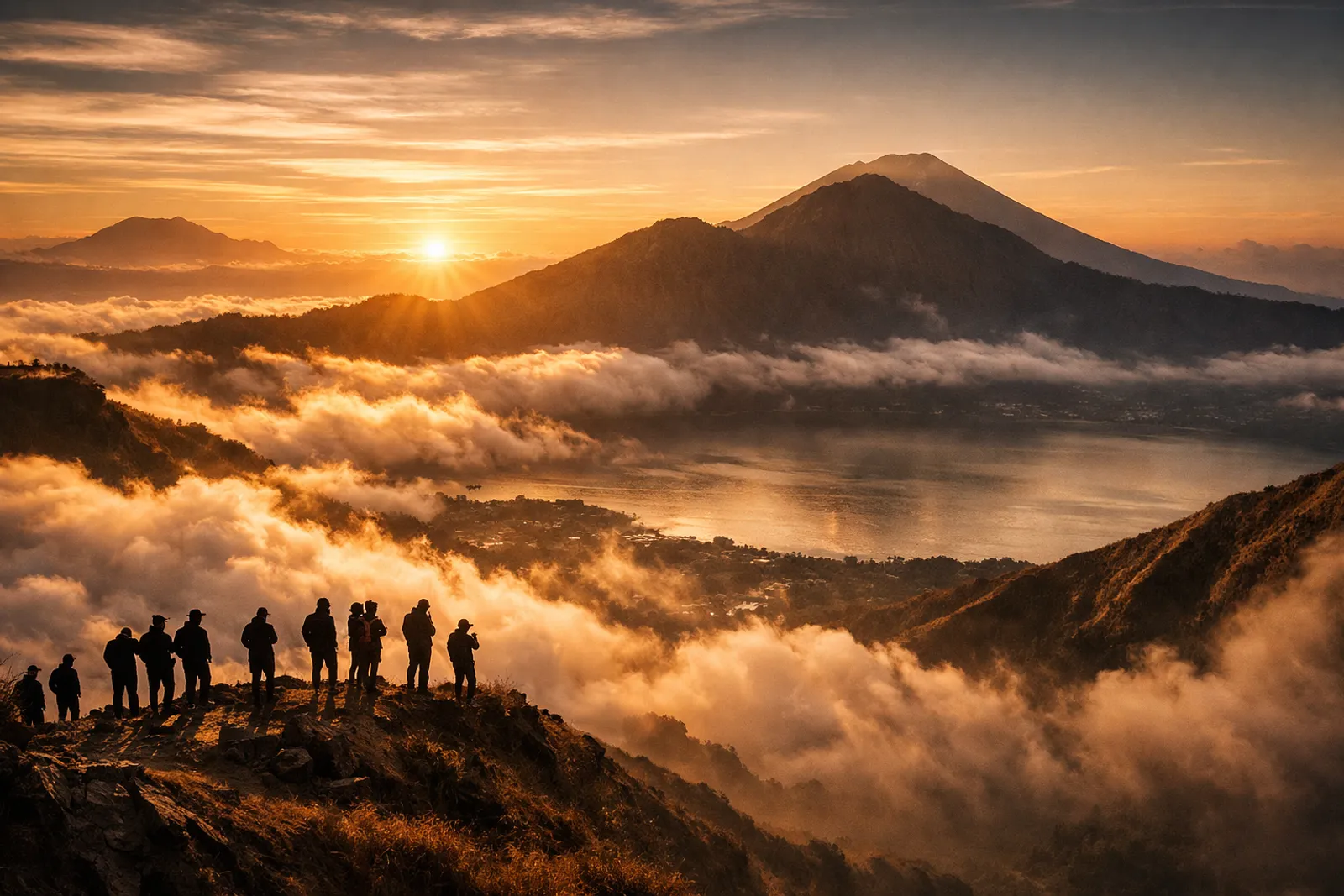
The Kintamani highland region, stretching along the caldera rim of Mount Batur at elevations between 900 and 1,500 meters, is the heart of Bali's coffee production and has earned Geographical Indication status from the Indonesian government. The volcanic soil here, enriched by centuries of eruptions, gives Kintamani arabica beans their distinctive citrusy brightness, medium body, and clean finish that has won recognition at international cupping competitions. Visiting a plantation offers a fascinating journey through the entire coffee process — from cherry picking and wet processing to sun drying and hand sorting. Several plantations welcome visitors for guided tours and tastings, including Bali Pulina, Kintamani Coffee Estate, and the smaller family-run operations along the road between Penelokan and Kintamani town. The best visits include cupping sessions where you can compare arabica varieties, processing methods, and roast levels while gazing out over the volcanic landscape.

The Luwak Coffee Truth — Ethics & Alternatives

Kopi luwak, the coffee made from beans eaten and excreted by Asian palm civets, is Bali's most famous and most controversial coffee product. The original concept — wild civets selecting only the ripest coffee cherries, their digestive enzymes creating unique flavor compounds — produced genuinely interesting coffee. However, the explosion of tourist demand has led to widespread civet farming where animals are caged in cruel conditions and force-fed coffee cherries, producing inferior coffee while causing immense animal suffering. Bali Malayali strongly advises against visiting luwak coffee operations where civets are kept in cages. If you want to try authentic luwak coffee, seek out the very few certified wild-sourced operations, though be prepared to pay premium prices. Better yet, explore Bali's excellent conventional specialty coffees, which offer far more interesting flavors and involve no animal welfare concerns. The Specialty Coffee Association of Indonesia can direct you to ethical producers.

Best Specialty Cafes in Bali

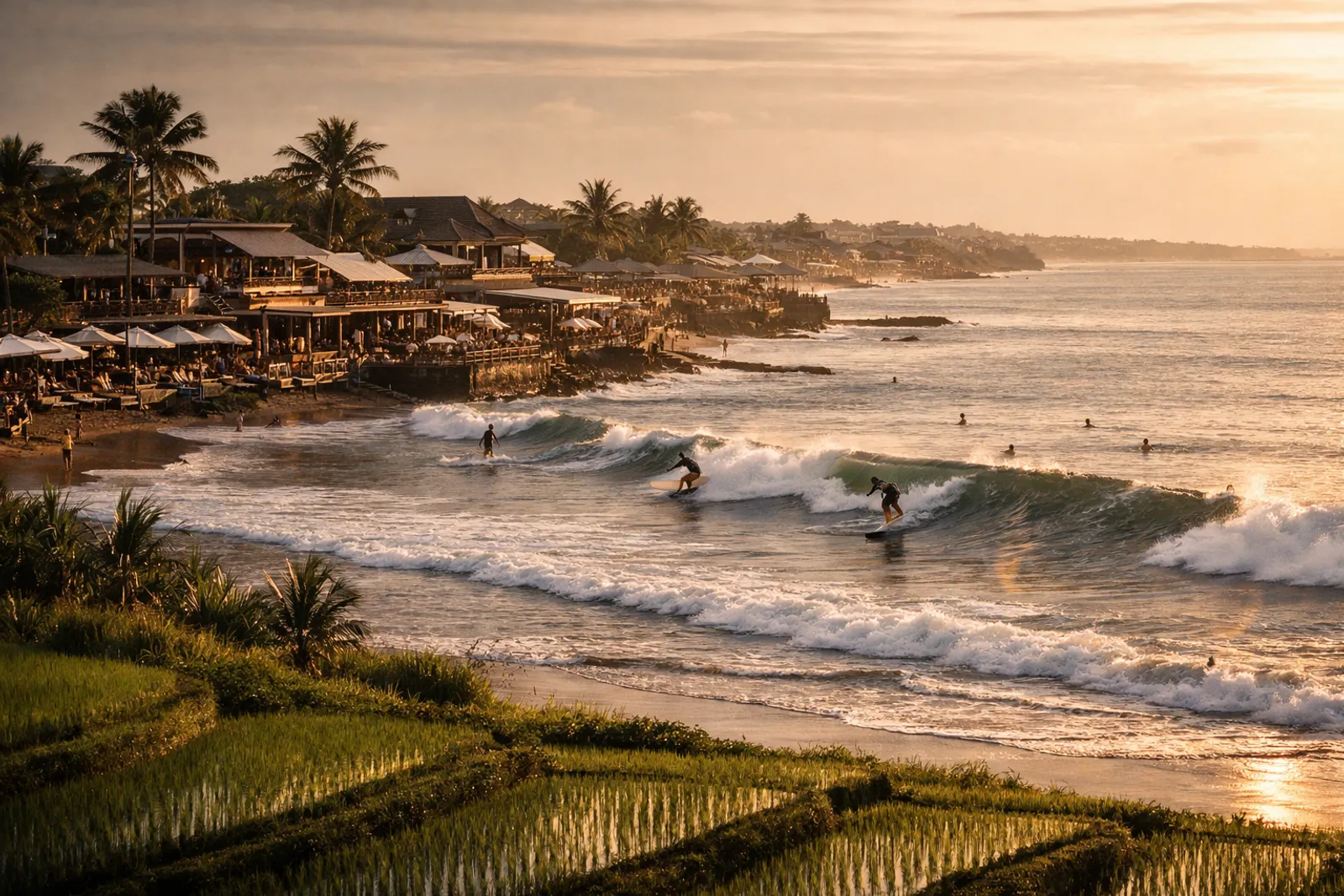
Bali's specialty cafe scene has exploded in recent years, with talented local and international baristas opening shops that would hold their own in Melbourne, Tokyo, or Portland. In Canggu, Hungry Bird serves meticulously sourced Indonesian single origins with detailed tasting notes and multiple brewing methods. Revolver, hidden down a Seminyak alley behind a wardrobe door, pioneered the specialty movement in Bali and remains one of the island's best. Seniman Coffee in Ubud is a must-visit, roasting their own beans and serving them in a gallery-like space that celebrates coffee as art. Manneken in Seminyak focuses on Indonesian micro-lots with Japanese-inspired precision. Expat Roasters in Seminyak has excellent beans and a gorgeous heritage building setting. In Sanur, Genius Cafe offers exceptional single origins in a quieter, more local atmosphere. Each of these cafes sources directly from Indonesian farms, supporting the local coffee economy while delivering world-class quality.

Traditional Balinese Coffee Culture

Before the specialty wave, Bali had its own deep coffee culture centered on kopi Bali — finely ground robusta beans brewed directly in the cup with hot water and sugar, producing a strong, thick, intensely flavored drink that locals sip throughout the day. This brewing method, similar to Turkish coffee, allows the grounds to settle before drinking and produces a completely different experience from filtered coffee. You will find kopi Bali at every warung and local shop across the island, usually served alongside casual conversation and community bonding. The morning coffee ritual is an important part of Balinese social life, particularly in rural areas where men gather at the village warung before starting work. Many plantations now offer traditional brewing demonstrations alongside modern methods, allowing visitors to understand the full spectrum of Bali's coffee heritage from village simplicity to contemporary sophistication.

Frequently Asked Questions

Is luwak coffee worth trying in Bali?

The authentic wild-sourced version is a unique experience, but most luwak coffee sold to tourists comes from caged civets and is both ethically problematic and poor quality. If you choose to try it, visit only certified wild-sourced operations and never visit places where civets are kept in cages. Bali's conventional specialty coffees often taste better and support ethical farming practices.

Where is the best coffee in Bali?

For plantation visits, head to the Kintamani highlands around Mount Batur. For specialty cafe experiences, Seniman Coffee in Ubud, Revolver in Seminyak, and Hungry Bird in Canggu are among the best on the island. Each offers different atmospheres and brewing styles, so visiting multiple cafes gives you the fullest picture of Bali's diverse coffee culture.

Can I buy Bali coffee beans to take home?

Absolutely — buying beans directly from roasters gives you the freshest product at the best prices. Seniman Coffee, Expat Roasters, and Kintamani Coffee Estate all sell packaged beans perfect for souvenirs. Choose whole beans over pre-ground for better shelf life. Vacuum-sealed bags travel well in luggage. Expect to pay 80,000-200,000 IDR for 250g of premium single-origin beans.

What makes Kintamani coffee special?

Kintamani arabica grows at 900-1,500 meters elevation in nutrient-rich volcanic soil near Mount Batur. The unique terroir produces beans with bright citrus acidity, medium body, and a clean sweet finish. It has Geographical Indication certification, meaning only coffee from this specific region can carry the Kintamani name. The traditional wet processing method further enhances its distinctive flavor profile.

Ready to Plan Your Bali Trip?

Our local team will craft a personalized itinerary tailored to your dates, preferences, and budget.

Plan My Trip on WhatsApp