Work From Paradise

Bali Digital Nomad Guide — Coworking, Visas & Living Costs

By Adhil P Bhaskaran, Founder Updated April 2026 9 min read

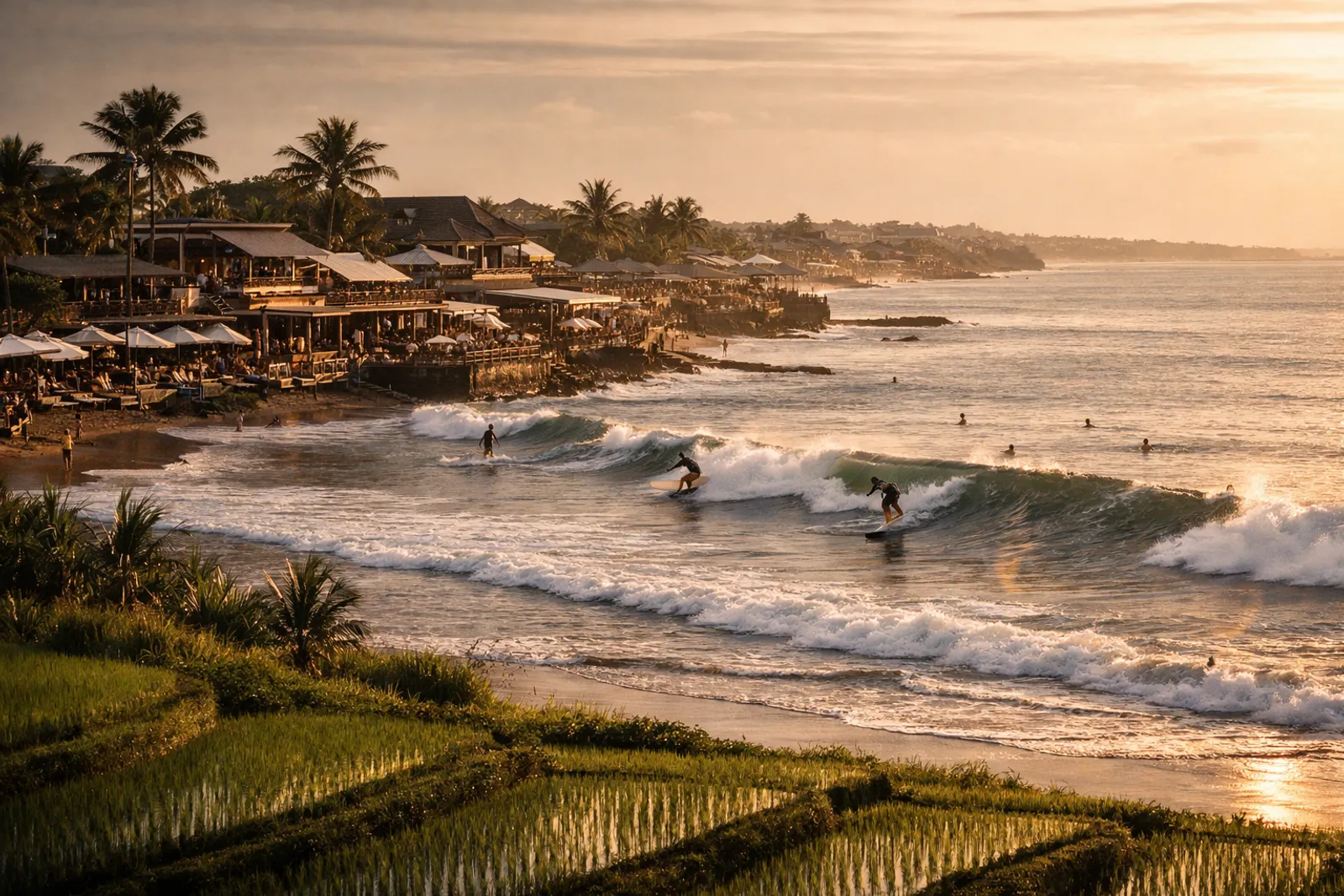
Bali has earned its reputation as the undisputed digital nomad capital of the world, and for good reason — it offers a combination of affordable living, world-class coworking infrastructure, reliable internet, a thriving international community, and a quality of life that makes working remotely feel less like a compromise and more like an upgrade. When your morning commute is a five-minute scooter ride through rice paddies to a bamboo coworking space with fast Wi-Fi and ocean views, the traditional office starts to look like a relic of the past.

Bali Malayali has helped hundreds of remote workers and digital nomads navigate the transition from planning to landing to thriving in Bali. Whether you are a freelancer testing the nomad lifestyle for the first time, a remote employee negotiating a work-from-anywhere arrangement, or a startup founder looking for a creative base, we understand the practical questions that matter: Where do I get the fastest internet? Which visa actually lets me stay legally? How much does it really cost per month when you strip away the Instagram fantasy? We have lived this life ourselves and advise from genuine experience rather than secondhand research.

This comprehensive guide from Bali Malayali covers everything a digital nomad needs to know about working remotely from Bali — from the best coworking spaces and neighbourhoods to visa options, realistic monthly budgets, community networks, health insurance considerations, and the daily rhythms that make Bali nomad life genuinely sustainable rather than just a holiday you work through.

Best Coworking Spaces in Bali

Bali's coworking ecosystem is mature, competitive, and constantly evolving, which means you get exceptional quality at prices that would be laughable in London, San Francisco, or Sydney. Dojo Bali in Canggu is the original and still one of the best — its open-air bamboo workspace sits above the rice paddies with strong Wi-Fi, standing desks, meeting rooms, a pool, and a community programme that runs workshops and social events almost daily. Outpost in Canggu and Ubud offers a more polished, air-conditioned environment with phone booths, podcast studios, and corporate-grade internet. Hubud in Ubud was the pioneer of Bali's coworking movement and remains a favourite for its intimate community and jungle setting. BWork in Sanur caters to a slightly older, more professional demographic with a quiet, focused atmosphere. Tropical Nomad in Canggu delivers excellent value with hot desk passes from around USD 5 per day. Most spaces offer daily, weekly, and monthly passes, with monthly rates typically ranging from USD 100–250 depending on the tier. Nearly all include unlimited coffee, filtered water, printing, and community events.

01

Dojo Bali (Canggu)

bamboo workspace, pool, strong community

02

Outpost (Canggu & Ubud)

polished, air-conditioned, podcast studio

03

Hubud (Ubud)

pioneer space, intimate jungle setting

04

BWork (Sanur)

professional, quiet, mature demographic

05

Tropical Nomad (Canggu)

great value from USD 5/day

Visa Options for Digital Nomads

Understanding your visa options is critical for staying in Bali legally and stress-free. The most common option is the Visa on Arrival, available to citizens of most countries, which gives you 30 days and can be extended once for another 30 days at an immigration office — this suits short-term nomad stints. For longer stays, the B211A Social/Cultural Visa is the most popular choice, granting 60 days with the possibility of multiple 60-day extensions up to a maximum of six months. This visa requires a sponsor, but many visa agencies in Bali provide this service for around USD 200–350 including the visa fee and sponsorship. Indonesia has also introduced the Digital Nomad Visa (B214), specifically designed for remote workers — it offers a five-year stay permit with no Indonesian income tax obligations, though you must prove a minimum annual income threshold. The KITAS work permit is necessary if you are employed by an Indonesian company. Important: technically, working for a foreign employer while on a tourist or social visa exists in a grey area — the B214 digital nomad visa was created to address this, and we recommend exploring it for stays longer than two months.

01

Visa on Arrival: 30 days, extendable once to 60 days

02

B211A Social Visa: 60 days, extendable up to 6 months

03

B214 Digital Nomad Visa: 5-year stay, no local tax

04

KITAS: required for Indonesian employment

Monthly Cost of Living Breakdown

The cost of living in Bali varies dramatically depending on your lifestyle choices, and being honest about budgets separates sustainable nomad living from burning through savings. A comfortable mid-range digital nomad lifestyle in Canggu or Ubud costs approximately USD 1,200–1,800 per month. This breaks down roughly as follows: accommodation in a private studio or one-bedroom with pool access costs USD 400–700 per month. Coworking membership runs USD 100–200. A scooter rental is USD 60–80 per month. Food costs USD 300–500 per month if you mix local warungs with Western cafes. Utilities, phone data, and laundry add USD 50–80. Health insurance costs USD 50–100. Social activities, occasional taxis, and miscellaneous expenses round it out at USD 100–200. A more frugal lifestyle is possible at USD 800–1,000 per month by staying in a basic room, eating primarily at warungs, and limiting cafe visits. At the luxury end, USD 2,500–4,000 per month affords a villa with pool, fine dining, regular spa visits, and premium experiences. The key insight is that Bali rewards flexibility — the same quality of life that costs USD 4,000 per month in a Western city can be achieved for under USD 1,500 here.

Best Neighbourhoods for Digital Nomads

Your neighbourhood choice fundamentally shapes your daily nomad experience. Canggu is the epicentre of Bali's nomad scene — its density of coworking spaces, cafes with good Wi-Fi, healthy food options, surf breaks, and social events means everything a nomad needs is within a five-minute scooter ride. The Berawa area of Canggu is slightly more upscale, while Batu Bolong offers the surf-culture heart. Ubud attracts nomads who prioritise wellness, creativity, and nature over nightlife — the jungle setting, yoga studios, and artist community create a slower, more reflective nomad lifestyle. Sanur is the emerging choice for older nomads and those with families — it is calmer, has excellent restaurants, a beautiful cycling path along the beach, and feels more like a real town than a tourist area. Seminyak suits nomads who want urban energy, dining variety, and nightlife after work hours. For the truly adventurous, Amed and Lovina in north and east Bali offer ultra-low costs and genuine village immersion, though coworking options are limited and you will rely more on cafe Wi-Fi and home workspaces.

Internet and Connectivity

Reliable internet is non-negotiable for remote work, and Bali's connectivity has improved dramatically in recent years, though it still requires strategic choices. Coworking spaces offer the most reliable connections, typically delivering 50–100 Mbps download speeds with backup systems and redundancy. Many also offer Ethernet ports for video calls that need zero dropouts. Cafe Wi-Fi varies wildly — some spots in Canggu deliver 30–50 Mbps while others struggle with 5 Mbps during peak hours. Always speed-test before settling in for a work session. Home internet via fibre-optic providers like Biznet or CBN offers 50–100 Mbps for around USD 25–40 per month, which is the best option if you are staying in one place for a month or more. Mobile data is cheap and serves as an excellent backup — a Telkomsel or XL SIM card with a 30GB monthly data package costs around USD 8–12 and delivers 4G speeds across most tourist areas. Power outages are infrequent but do happen, so a small power bank for your phone and a UPS for critical work sessions provide peace of mind. For video-heavy calls, Zoom meetings, and large file uploads, coworking spaces remain the gold standard.

Community and Networking

One of Bali's greatest assets for digital nomads is the quality and density of its international community. Unlike many nomad destinations where you might feel isolated, Bali has such a critical mass of remote workers that social and professional connections happen organically. Coworking spaces are the primary community hub, with most hosting regular events including skill-share workshops, founder meetups, pitch nights, and social gatherings. The Bali digital nomad Facebook groups, particularly Canggu Community and Digital Nomads Bali, have tens of thousands of active members sharing tips, organising meetups, and offering support. Regular events include Startup Grind Bali, Nomad Coffee Club, and various industry-specific meetups for developers, marketers, designers, and creators. Beyond professional networking, the nomad community in Bali organises surf sessions, volleyball leagues, hiking groups, and weekend trips to other Indonesian islands. Many nomads report that the friendships formed in Bali are deeper than typical travel connections because everyone is building a life here, not just passing through.

Frequently Asked Questions

Do I need a special visa to work remotely from Bali?

Technically, working for a foreign employer while on a tourist visa exists in a legal grey area. Indonesia has introduced the B214 Digital Nomad Visa specifically for remote workers, offering a five-year stay with no local income tax. For shorter stays, most nomads use the B211A Social Visa which allows stays of up to six months. We recommend the Digital Nomad Visa for stays exceeding two months.

How fast is the internet in Bali for remote work?

Coworking spaces deliver the best speeds at 50–100 Mbps with backup systems. Home fibre connections offer 50–100 Mbps for USD 25–40 per month. Cafe Wi-Fi varies from 5–50 Mbps. Mobile 4G data provides a reliable backup at decent speeds across tourist areas. For video calls and critical work, coworking spaces are the safest choice.

What is the monthly cost of living for a digital nomad in Bali?

A comfortable mid-range lifestyle costs USD 1,200–1,800 per month including accommodation, coworking, food, transport, and social activities. A frugal lifestyle is achievable at USD 800–1,000 per month. Luxury nomad living runs USD 2,500–4,000 per month. Bali offers exceptional value compared to Western cities at every budget level.

Which area is best for digital nomads in Bali?

Canggu is the clear favourite with its dense ecosystem of coworking spaces, cafes, surf breaks, and social events. Ubud suits those who prefer wellness, creativity, and nature. Sanur is ideal for older nomads or those with families seeking a calmer atmosphere. Your ideal area depends on whether you prioritise social energy, natural beauty, or quiet focus.

Can Bali Malayali help me set up for a long-term nomad stay?

Yes, we help digital nomads with accommodation sourcing, visa processing, scooter rentals, coworking recommendations, SIM card setup, and local orientation. We can arrange everything before you arrive so you land in Bali ready to work on day one, rather than spending your first week figuring out logistics on your own.

Ready to Plan Your Bali Trip?

Our local team will craft a personalized itinerary tailored to your dates, preferences, and budget.

Plan My Trip on WhatsApp