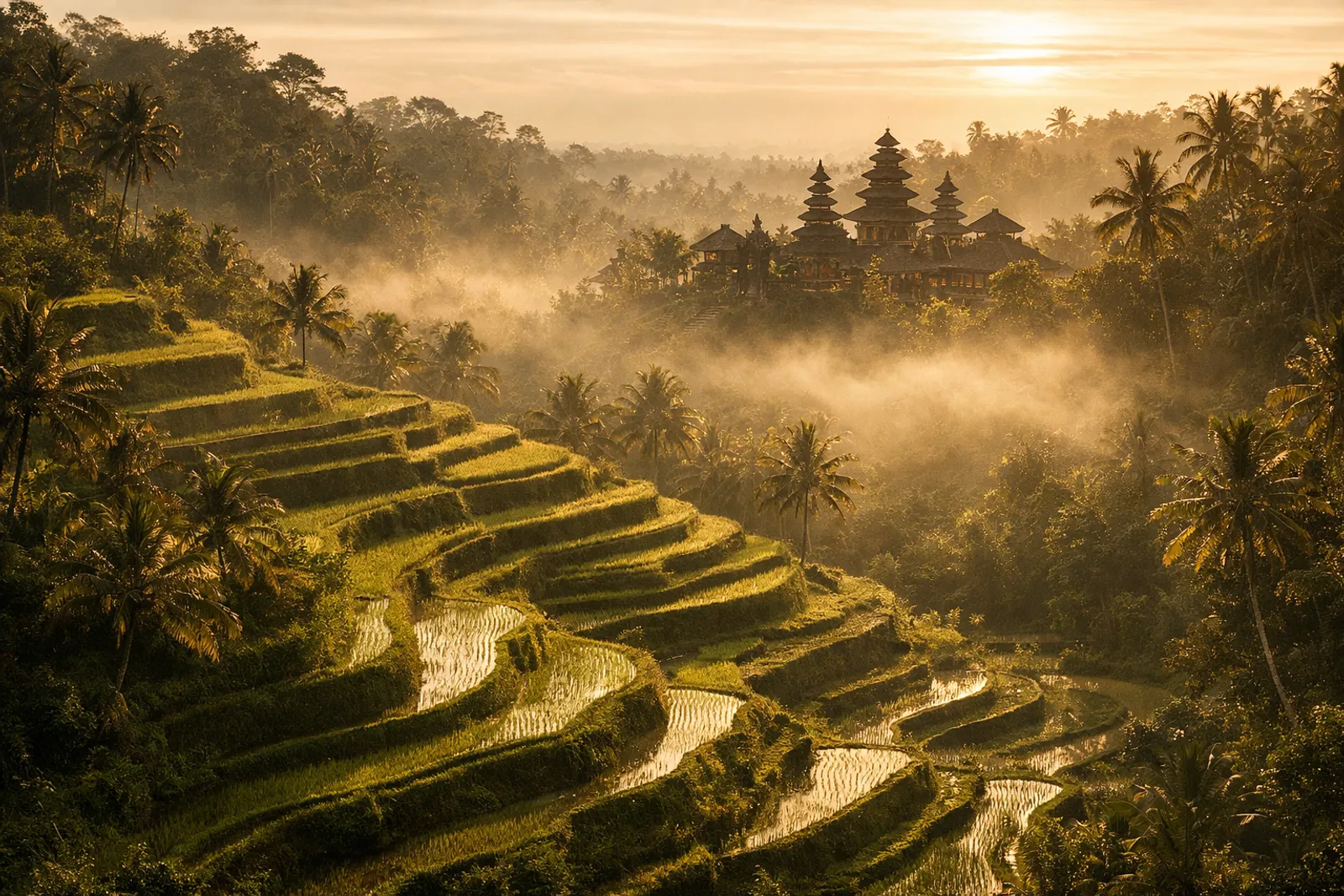
Nyepi Experience

Bali in March — Nyepi, Weather & Travel Tips

By Adhil P Bhaskaran, Founder Updated April 2026 5 min read

March in Bali offers one of the most culturally significant travel experiences you can have anywhere in the world — the chance to witness Nyepi, Bali's extraordinary Day of Silence. This unique Hindu celebration sees the entire island shut down for 24 hours: no flights, no traffic, no lights, no noise. It's a profoundly moving experience that reveals the spiritual heart of Balinese culture in a way that no temple visit or dance performance ever could.

Beyond Nyepi, March is a transitional month as the wet season begins to ease. Rainfall starts decreasing compared to January and February, though you'll still experience regular afternoon showers. The landscape remains gloriously green, and the tourist crowds are still thin, making it an excellent time for authentic cultural immersion. Bali Malayali considers March one of the most rewarding months for travellers who want to experience Bali beyond the surface.

The days leading up to Nyepi are filled with spectacular ceremonies — the Ogoh-Ogoh parade on the eve of Nyepi features enormous, terrifying demon statues paraded through the streets with gamelan music and chanting. It's one of Bali's most incredible spectacles and something that Bali Malayali always recommends travellers plan around. March also marks the tail end of low-season pricing, so you still benefit from great accommodation deals while enjoying improving weather conditions.


Understanding Nyepi — Bali's Day of Silence

Nyepi falls on the Balinese New Year according to the Saka calendar, usually in March (occasionally late February or early April). For 24 hours starting at 6am, the entire island observes complete silence. The airport closes — no flights arrive or depart. Streets are empty — no vehicles are permitted. Lights must be turned off or covered — the island goes dark. No one leaves their accommodation. Even the internet is shut down on the island. Hotels and villas prepare guests in advance, providing indoor activities, board games, and special meals. For travellers, it's an extraordinary experience — lying under some of the most light-polluted tropical skies suddenly turned into a canvas of brilliant stars. The silence is absolute and deeply meditative.

Ogoh-Ogoh Parade — The Night Before Nyepi

The evening before Nyepi, known as Pengerupukan, features the spectacular Ogoh-Ogoh parade. Communities across Bali spend weeks or months building massive papier-mache and styrofoam demon statues, some reaching several metres tall. These fearsome creations represent evil spirits (bhuta kala) that must be driven away before the new year. As darkness falls, the statues are hoisted onto bamboo platforms and carried through the streets by teams of young men, spinning and shaking them as gamelan orchestras play and firecrackers explode. The energy is electric and chaotic — a complete contrast to the silent stillness that follows just hours later. The best parades are in Denpasar, Ubud, and Seminyak, where banjar communities compete for the most impressive Ogoh-Ogoh.

01

Denpasar main Ogoh-Ogoh parade route

02

Ubud community parades through town centre

03

Seminyak beach road celebrations

04

Sanur traditional processions

05

Kuta and Legian street parades

March Weather and What to Expect

March marks the beginning of the wet-to-dry transition in Bali. Rainfall averages around 250-300mm — noticeably less than January and February, though still significant. The rain pattern becomes more sporadic, with some days remaining completely dry and others seeing the familiar afternoon showers. Temperatures are warm at 27-31°C, and humidity starts to ease slightly towards the end of the month. Surf conditions begin shifting as the wet season swells from the west start to fade and the consistent dry-season swells from the south begin building. March is an excellent month for surfing intermediate breaks, with Canggu and Seminyak offering fun, manageable waves.

Planning Around Nyepi — Practical Tips

If you're visiting during Nyepi, plan carefully. Book your accommodation well in advance as many properties sell out for the Nyepi period despite being low season. Ensure you arrive at least one day before Nyepi to settle in and witness the Ogoh-Ogoh parade. Stock up on snacks, books, and entertainment for the 24-hour silence period as you cannot leave your hotel or villa. Most quality accommodations handle this well, providing special Nyepi packages with indoor activities and meals. Check the exact Nyepi date for your travel year as it changes annually. If Nyepi isn't your thing, simply schedule your trip to arrive after it — you'll still enjoy the improving weather and cultural buzz of the new year celebrations.

Frequently Asked Questions

What happens if I'm in Bali during Nyepi?

During Nyepi, you must stay inside your hotel or villa for 24 hours. No one is allowed on the streets, the airport closes, and even lights must be dimmed. Most hotels prepare special activities and meals for guests. It's actually a remarkable and peaceful experience — many travellers say it's the highlight of their trip.

Can I fly into Bali on Nyepi?

No. Ngurah Rai International Airport closes completely for 24 hours during Nyepi, from 6am on Nyepi day until 6am the following day. No flights arrive or depart. If your travel dates overlap, you'll need to arrive the day before or depart the day after. Plan your flights accordingly.

Is March a good time to visit Bali for surfing?

March is a transitional month for surfing in Bali. The wet season west swells are fading while the dry season south swells are building. You'll find fun, consistent waves at beaches like Canggu, Seminyak, and Kuta, particularly good for beginner and intermediate surfers. Advanced surfers should check specific swell forecasts.

How much cheaper is Bali in March compared to peak season?

March rates are typically 30-50% lower than peak season prices in July-August. The exception is the days immediately around Nyepi, when some properties charge a premium due to demand. Overall, March offers excellent value with the bonus of improving weather as the dry season approaches.

Ready to Plan Your Bali Trip?

Our local team will craft a personalized itinerary tailored to your dates, preferences, and budget.

Plan My Trip on WhatsApp