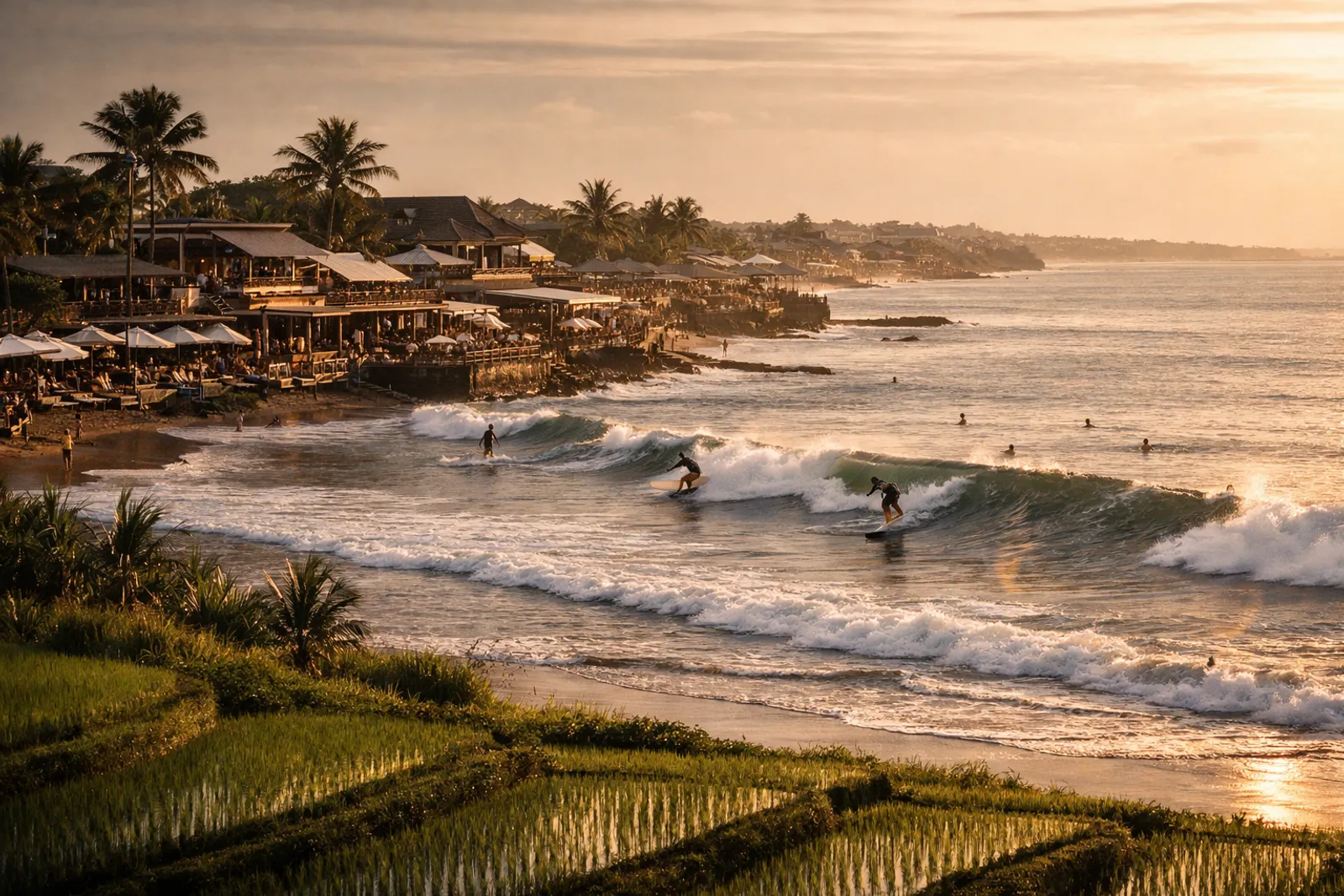
Picture Perfect

Most Instagrammable Spots in Bali — Photo Guide 2026

By Adhil P Bhaskaran, Founder Updated April 2026 7 min read

Bali has become one of the most photographed destinations on the planet, and with good reason — the island offers a seemingly endless collection of visually spectacular settings that combine dramatic natural landscapes, ancient cultural architecture, and that magical tropical light that makes every photo look like it was taken by a professional. From the viral Gates of Heaven at Lempuyang Temple to the emerald cascades of Tegallalang rice terraces, from flower-draped infinity pools overlooking jungle canopies to ancient temples silhouetted against cotton-candy sunsets, Bali delivers photogenic moments at every turn. The island has shaped the aesthetics of modern travel photography and continues to set trends that ripple across social media worldwide.

Bali Malayali has curated this guide based on our photographers' extensive experience across the island, identifying not just the famous spots that everyone recognizes but also the lesser-known locations that deliver equally stunning results without the crowds and queue times that plague the most popular Instagram destinations. We know the exact times when light conditions peak at each location, the angles that produce the most dramatic compositions, and the practical logistics of getting there efficiently so you spend more time shooting and less time stuck in traffic or waiting in line.

Whether you are a professional photographer building a Bali portfolio, a content creator producing travel content, or simply someone who wants beautiful holiday photos to treasure forever, this Bali Malayali guide will help you capture the island at its most spectacular. We cover the iconic must-shoot locations, hidden gems, timing strategies, gear recommendations, and insider tips that separate extraordinary photos from ordinary tourist snapshots.
Iconic Must-Shoot Locations

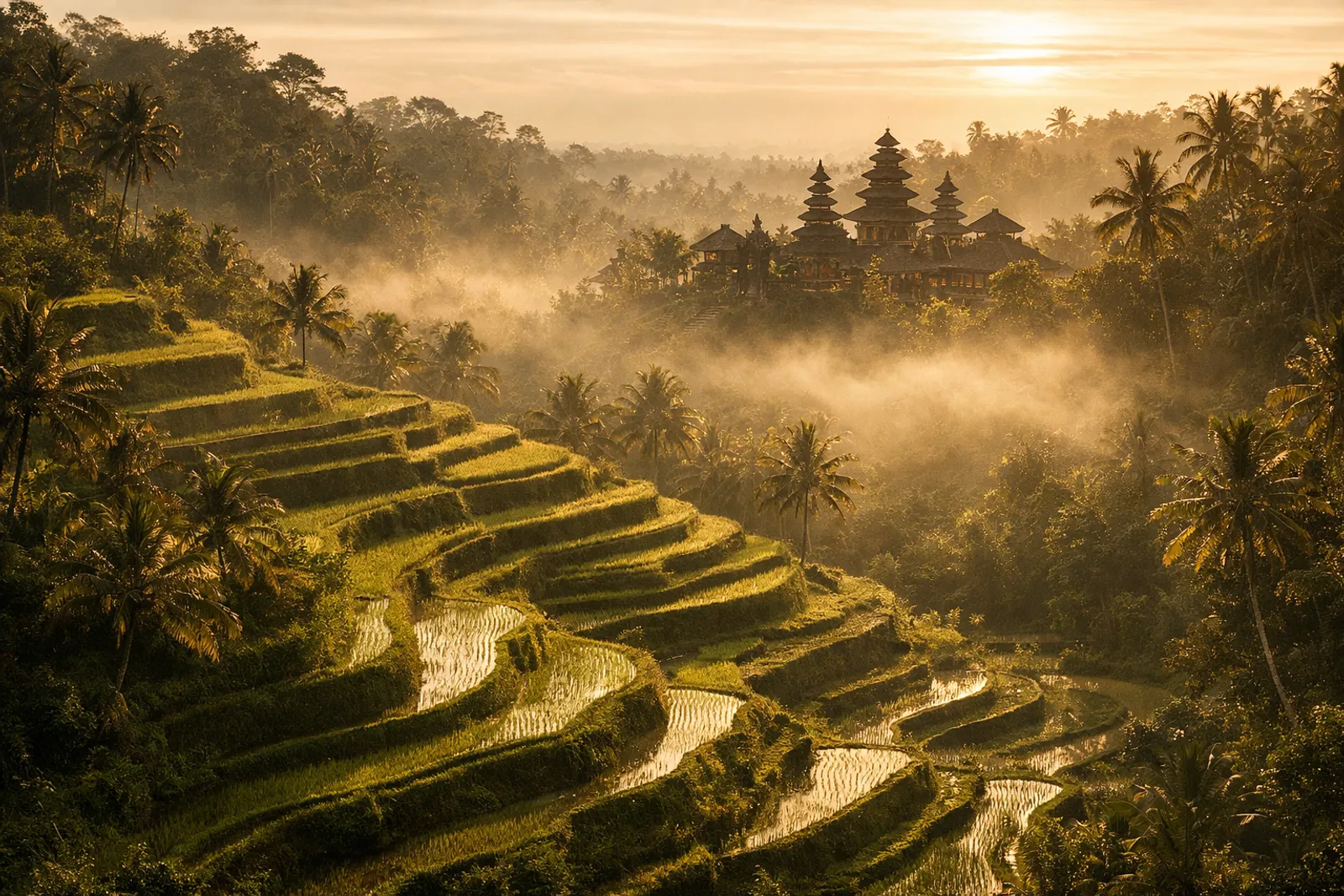
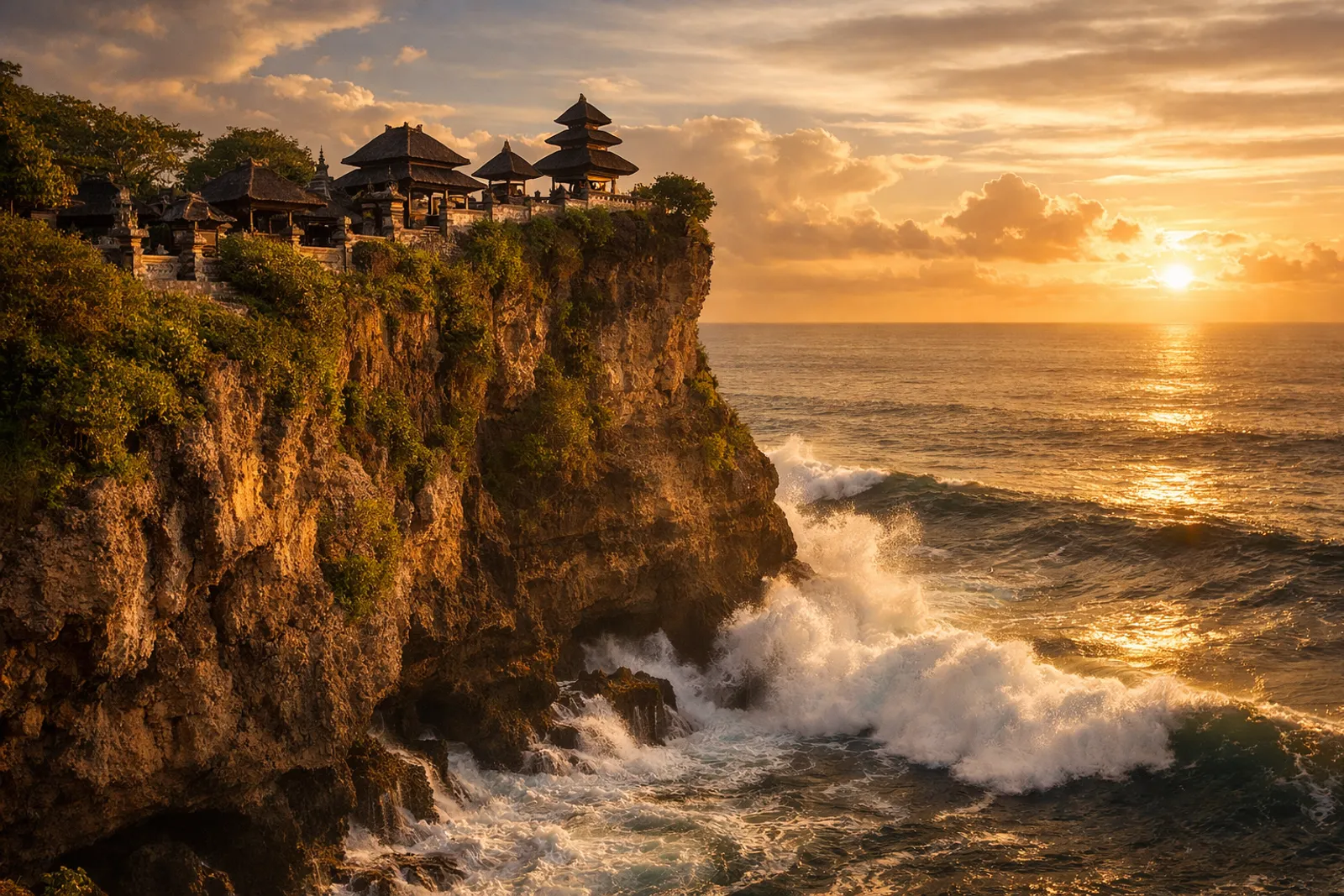
The Gates of Heaven at Pura Lempuyang remains Bali's most viral photo spot — the split gate framing Mount Agung in the distance creates a composition so perfect it barely looks real. Note that the famous reflection effect is created by photographers holding a mirror beneath their phone or camera, not by an actual reflecting pool. Arrive before 7am to minimize queue times, which can exceed two hours during peak season. Tegallalang Rice Terraces near Ubud offer stunning layered green landscapes, with the best photos captured in early morning light from the cafe platforms on the western side. The Handara Gate — a dramatic Balinese candi bentar set against misty mountains — has become a must-shoot despite being the entrance to a golf course, costing 30,000 IDR for photo access. Tirta Gangga water palace in East Bali provides beautiful foreground elements with its stepping-stone pools, fountains, and lush tropical gardens. Tanah Lot at sunset needs no introduction, but shooting from the cliffs to the north gives a more dramatic perspective than the crowded direct viewpoint.

Jungle Swings, Nests & Flower Baths

Bali has created an entire tourism sub-industry around photogenic installations, and while purists may dismiss them, many deliver genuinely magical images. The Bali Swing in Ubud offers multiple swings suspended above a dramatic river valley, with the best photos captured during the morning when mist hangs in the jungle below. Zen Hideaway provides a more intimate experience with fewer crowds and beautiful bamboo nest installations. Wanagiri Hidden Hills near Lake Buyan features swings, bird nests, and viewpoints overlooking twin lakes — a stunning location in the misty northern highlands that photographs beautifully in moody, atmospheric conditions. Flower bath photos have become a Bali signature — many villas and spas offer floral-filled stone baths surrounded by tropical foliage, with the best light streaming through gaps in the canopy during mid-morning. These experiences range from 150,000 to 500,000 IDR and are designed specifically for photography, with staff often available to help with angles and timing.

Waterfalls & Natural Wonders

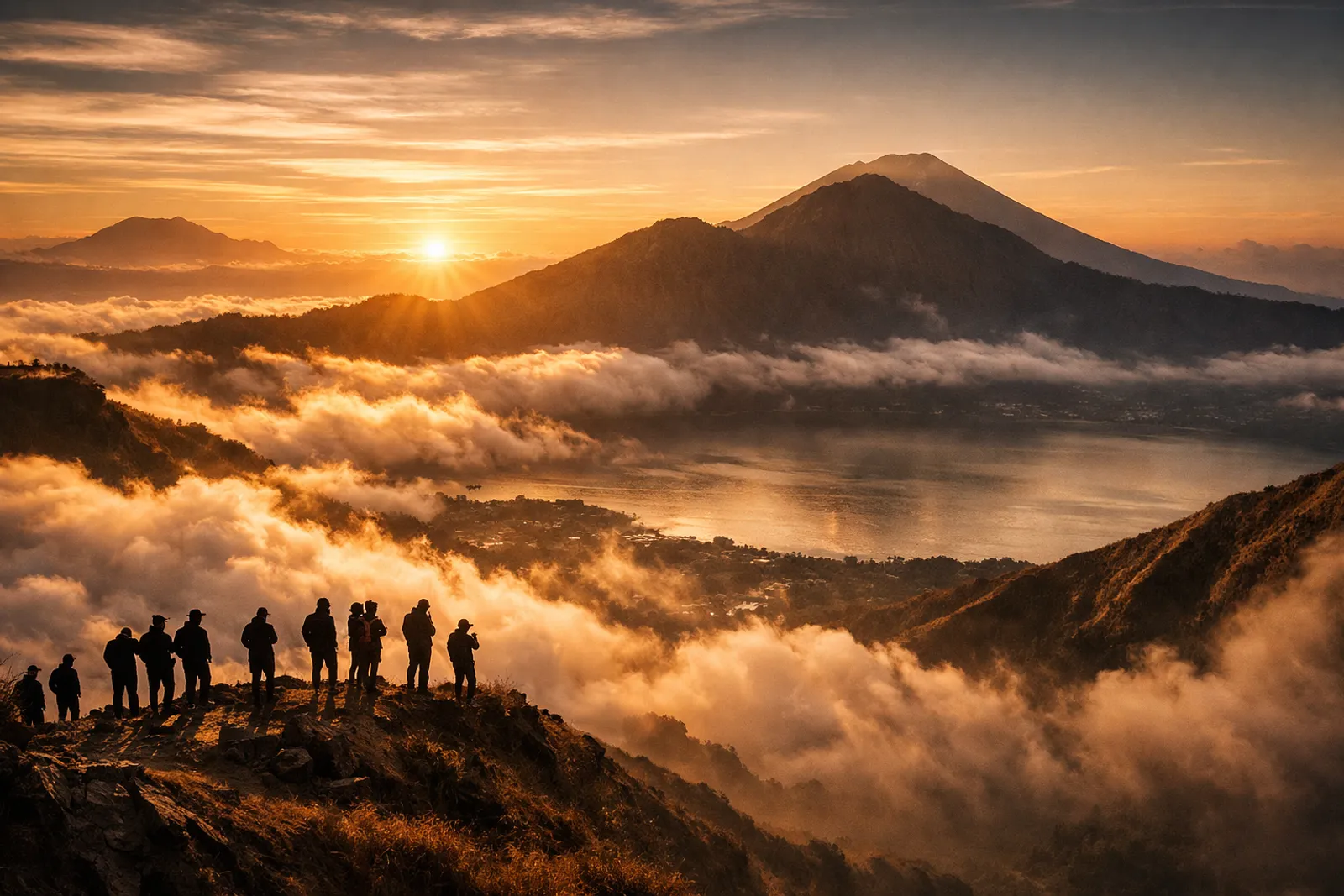
Bali's waterfalls create some of the island's most dramatic natural photography opportunities. Tukad Cepung Waterfall near Ubud is a cathedral-like experience where light streams through a narrow canyon to illuminate a curtain of water — the beams of light hitting the mist between 9-10am create ethereal, almost spiritual images. Sekumpul Waterfall in northern Bali is widely considered Bali's most beautiful, with twin cascades plummeting through dense jungle into a pool surrounded by tropical vegetation. Tibumana Waterfall near Ubud offers a smaller but incredibly photogenic setting with minimal crowds and easy access. Tegenungan Waterfall is the most accessible from the southern tourist areas but is crowded by midday. For underwater photography, the coral gardens around Nusa Penida and the USS Liberty shipwreck at Tulamben provide world-class subjects. The volcanic landscapes around Mount Batur, particularly the sunrise panorama from the caldera rim, deliver otherworldly images that look nothing like typical Bali photography.

Hidden Gems & Crowd-Free Alternatives

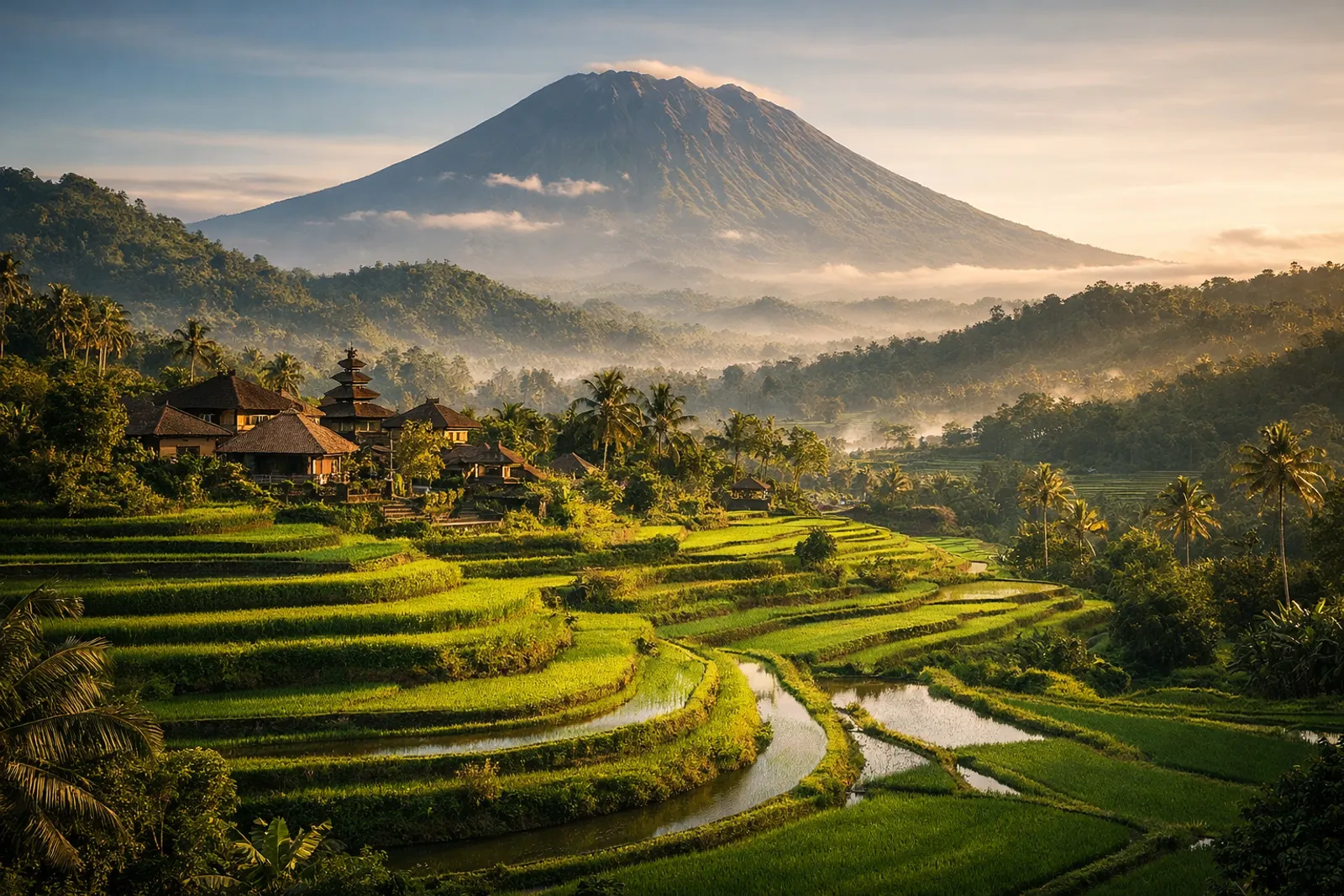
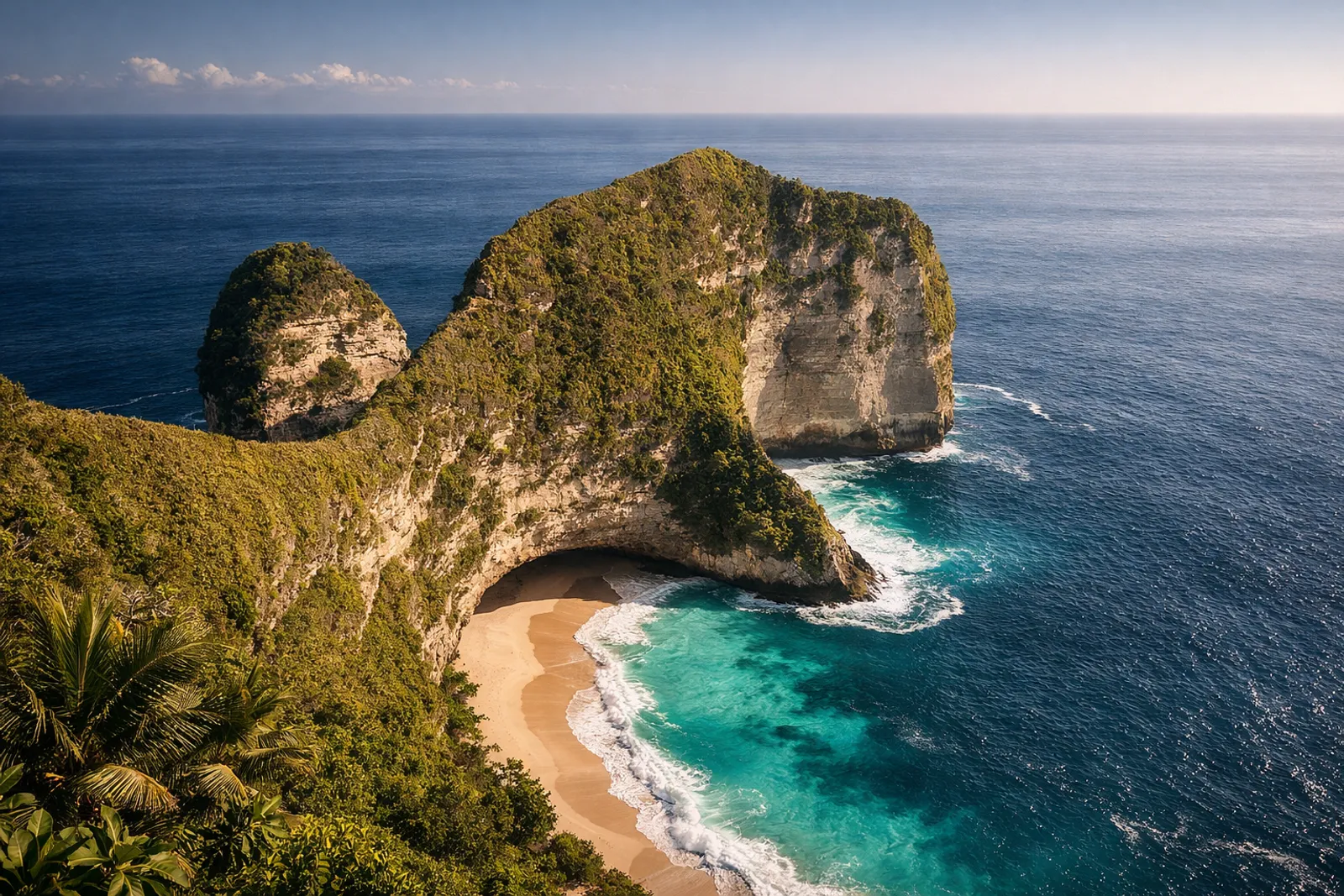
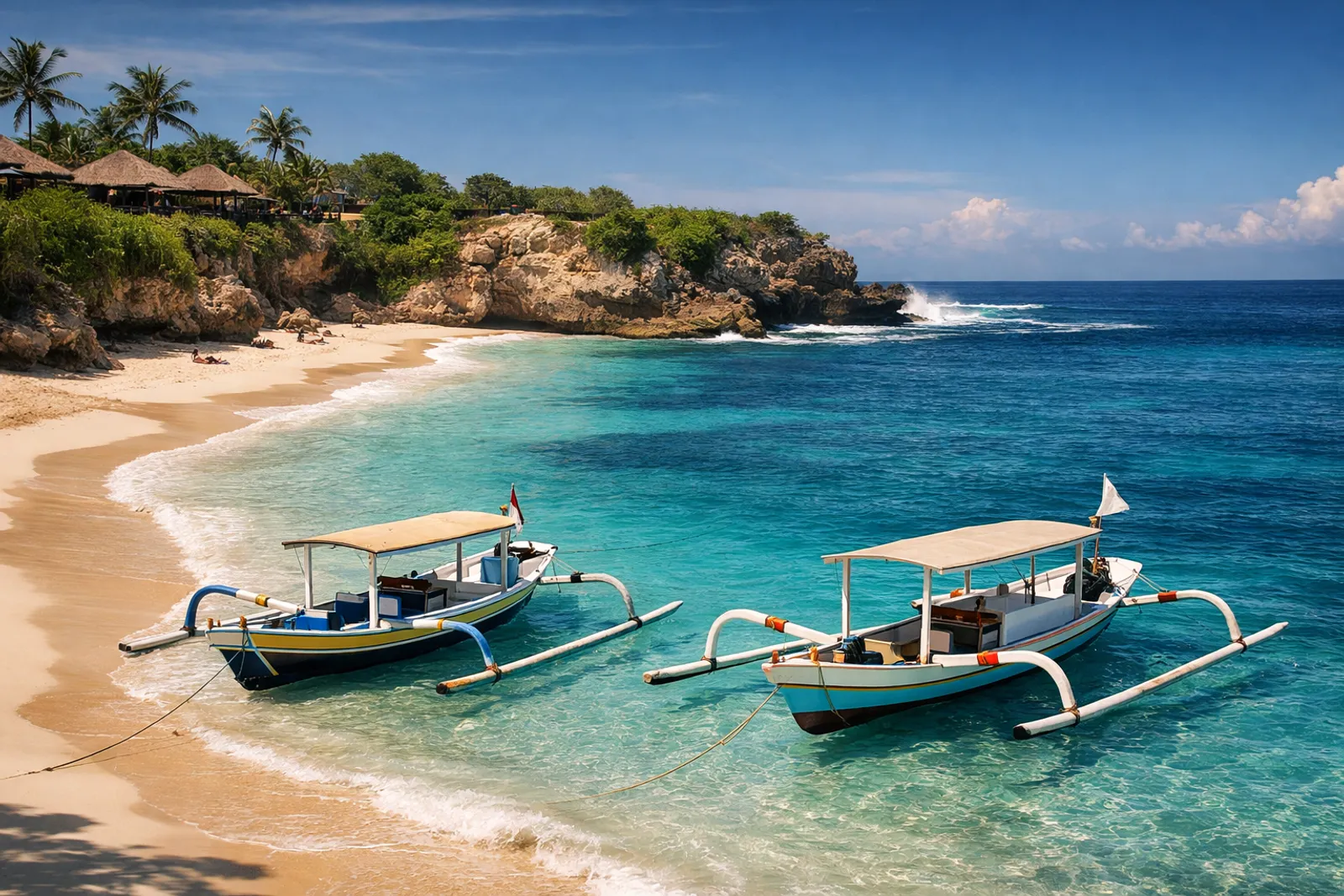
For photographers tired of queueing at viral hotspots, Bali rewards exploration with dozens of equally stunning locations that see a fraction of the visitors. Sidemen valley in East Bali offers rice terrace views as beautiful as Tegallalang without the crowds — the morning mist rising over the paddies with Mount Agung as backdrop creates images of extraordinary beauty and serenity. Pura Kehen in Bangli is a spectacular terraced temple virtually unknown to the Instagram crowd. Munduk in North Bali offers waterfalls, lake viewpoints, and coffee plantations in a misty highland setting that photographs completely differently from the southern coast. The traditional village of Penglipuran near Bangli is one of the cleanest and most photogenic villages in Indonesia, with symmetrical bamboo-lined streets and traditional houses maintained to exacting standards. Nusa Lembongan's Devil's Tear provides dramatic coastal photos as massive waves crash into a rocky inlet, sending spray high into the air against sunset backgrounds.

Photography Tips & Best Times

Bali's tropical latitude means the golden hours are brief but intense — sunrise around 6:00-6:30am and sunset around 6:00-6:30pm offer the best natural light for most locations. The midday sun is harsh and unflattering, making it the worst time for outdoor portraits but excellent for underwater photography and waterfall shots where the overhead light penetrates the canopy. The dry season (April-October) offers the clearest skies and most reliable light, while the wet season (November-March) brings dramatic cloud formations and lush green landscapes that photograph beautifully in overcast conditions. For drone photography, obtain a permit from the Ministry of Transportation and avoid flying near temples, ceremonies, and airport zones. A waterproof phone case is essential for waterfall and beach shots. If you are serious about photography, hire a local guide-photographer who knows the secret angles and timing — Bali Malayali can arrange professional photography accompaniment for your trip.

Frequently Asked Questions

What is the most Instagrammable spot in Bali?

The Gates of Heaven at Pura Lempuyang Temple remains the single most viral Bali photo spot, with the split gate framing Mount Agung. However, expect significant queue times during peak season (1-3 hours). For equally stunning photos with fewer crowds, Tegallalang Rice Terraces, Tukad Cepung Waterfall, and Sidemen valley offer incredible alternatives.

What time should I visit Bali photo spots?

Early morning is almost always best — arrive before 7am at popular spots to avoid crowds and capture the golden light. For waterfalls like Tukad Cepung, 9-10am is ideal when sunbeams penetrate the canyon. Sunset spots like Tanah Lot and Uluwatu Temple require arriving 60-90 minutes before sunset to secure good positions. Midday is best avoided for most outdoor locations.

Is the Lempuyang reflection photo real?

No, the famous reflection photo at Pura Lempuyang's Gates of Heaven is not created by a natural reflecting pool. Photographers at the site hold a mirror or phone screen beneath the camera to create the reflection effect. The temple itself is genuinely spectacular, but be aware that the viral reflection is a photography trick rather than an actual feature of the location.

Can I fly a drone in Bali?

Drone operation in Bali requires a permit from the Indonesian Ministry of Transportation. Flying near temples, during ceremonies, around airports, and over crowds is prohibited. Many popular tourist areas have informal no-fly zones. If you plan to use a drone extensively, arrange permits in advance through a local fixer. Bali Malayali can help organize drone photography permits for serious photographers.

Ready to Plan Your Bali Trip?

Our local team will craft a personalized itinerary tailored to your dates, preferences, and budget.

Plan My Trip on WhatsApp