Frame Every Moment

Bali Photography Tours — Capture the Island Like a Pro

By Adhil P Bhaskaran, Founder Updated April 2026 9 min read

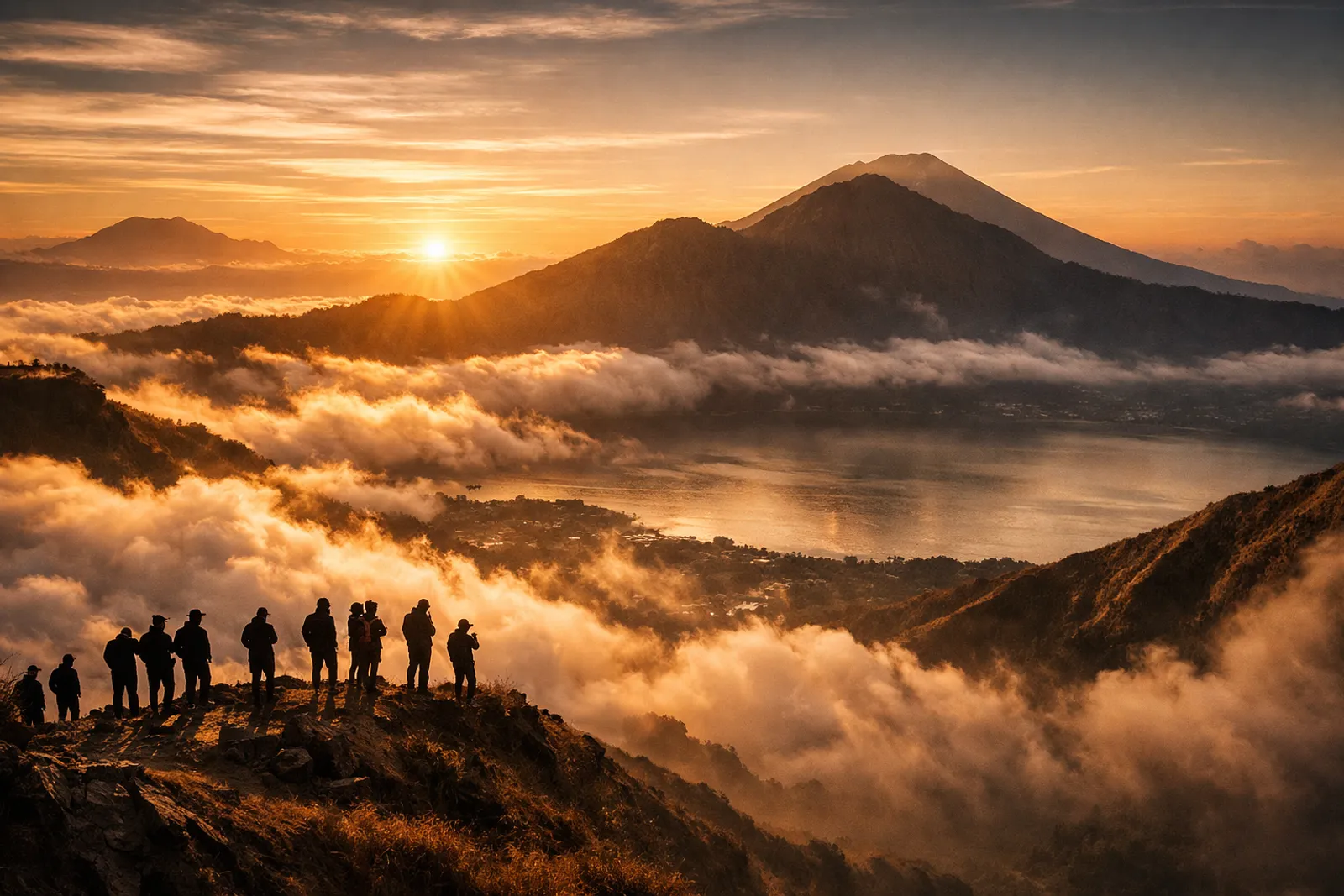
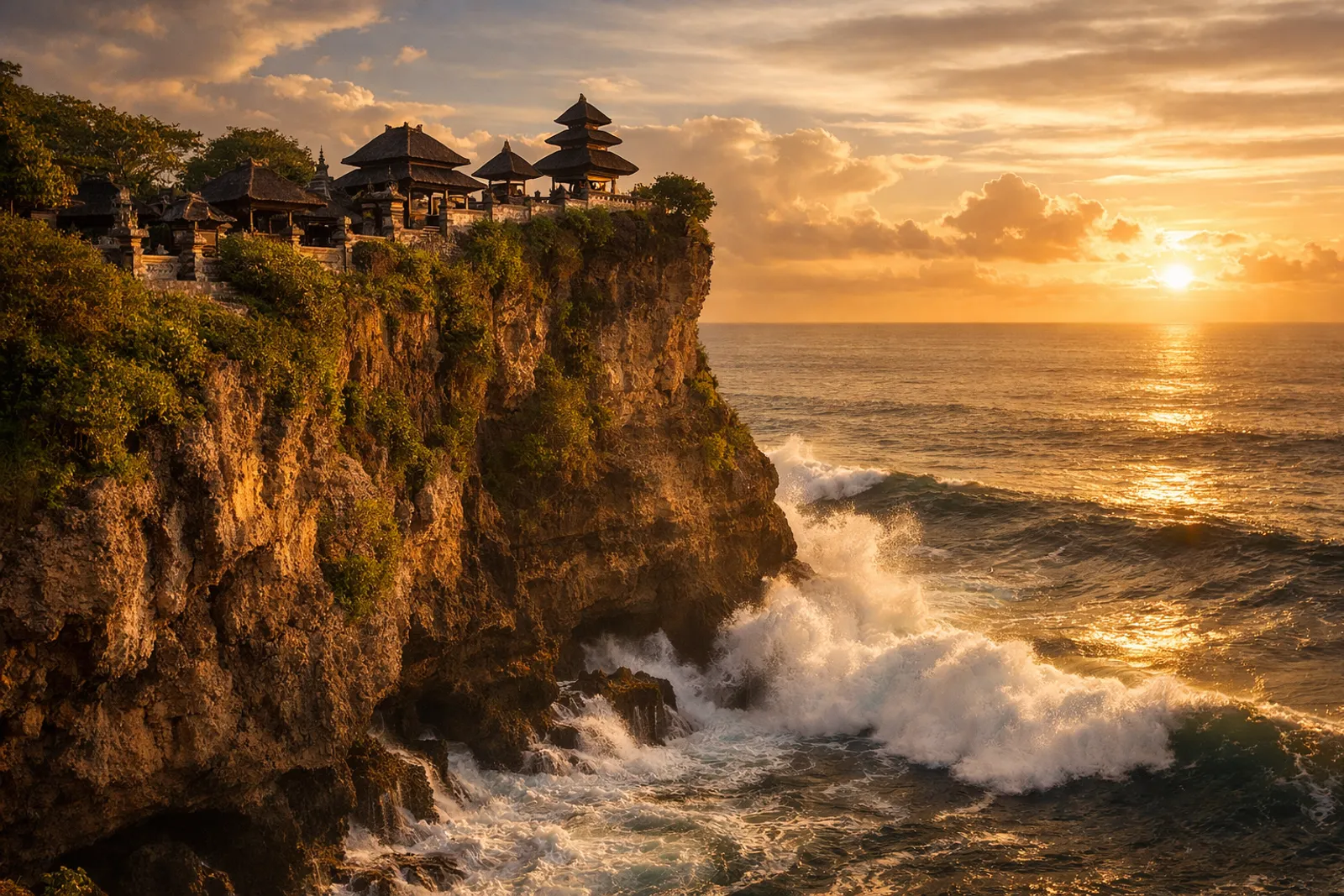
Bali is one of the most photogenic places on earth — a statement that sounds like hyperbole until you find yourself standing on a volcanic crater rim at sunrise, watching golden light flood across a caldera while mist curls through jungle canopy below, and realising that no camera setting can fully capture what your eyes are seeing. From the sculpted emerald geometry of rice terraces to the ancient stone temples draped in moss and marigold offerings, from the raw power of ocean waves exploding against clifftop temples to the intimate beauty of a Balinese woman placing a morning canang sari offering, this island delivers visual stories at every turn.

Bali Malayali has worked with professional photographers, content creators, and passionate hobbyists to design photography-focused itineraries that go beyond the obvious Instagram spots to reveal the locations, timing, and perspectives that produce truly exceptional images. We know where the light falls at every hour, which temples allow tripods, where the crowds thin out, and which hidden locations deliver portfolio-worthy shots without the queues that plague viral photo spots.

Whether you are a professional photographer planning a dedicated shoot, a content creator building your visual portfolio, or a hobbyist who simply wants to come home with the best holiday photos of your life, this Bali Malayali guide covers the essential photography locations across the island, optimal timing for golden hour and blue hour shooting, practical advice on gear and drone regulations, and how to move beyond tourist snapshots into images that genuinely capture the soul of Bali.
Top Photography Locations in Bali

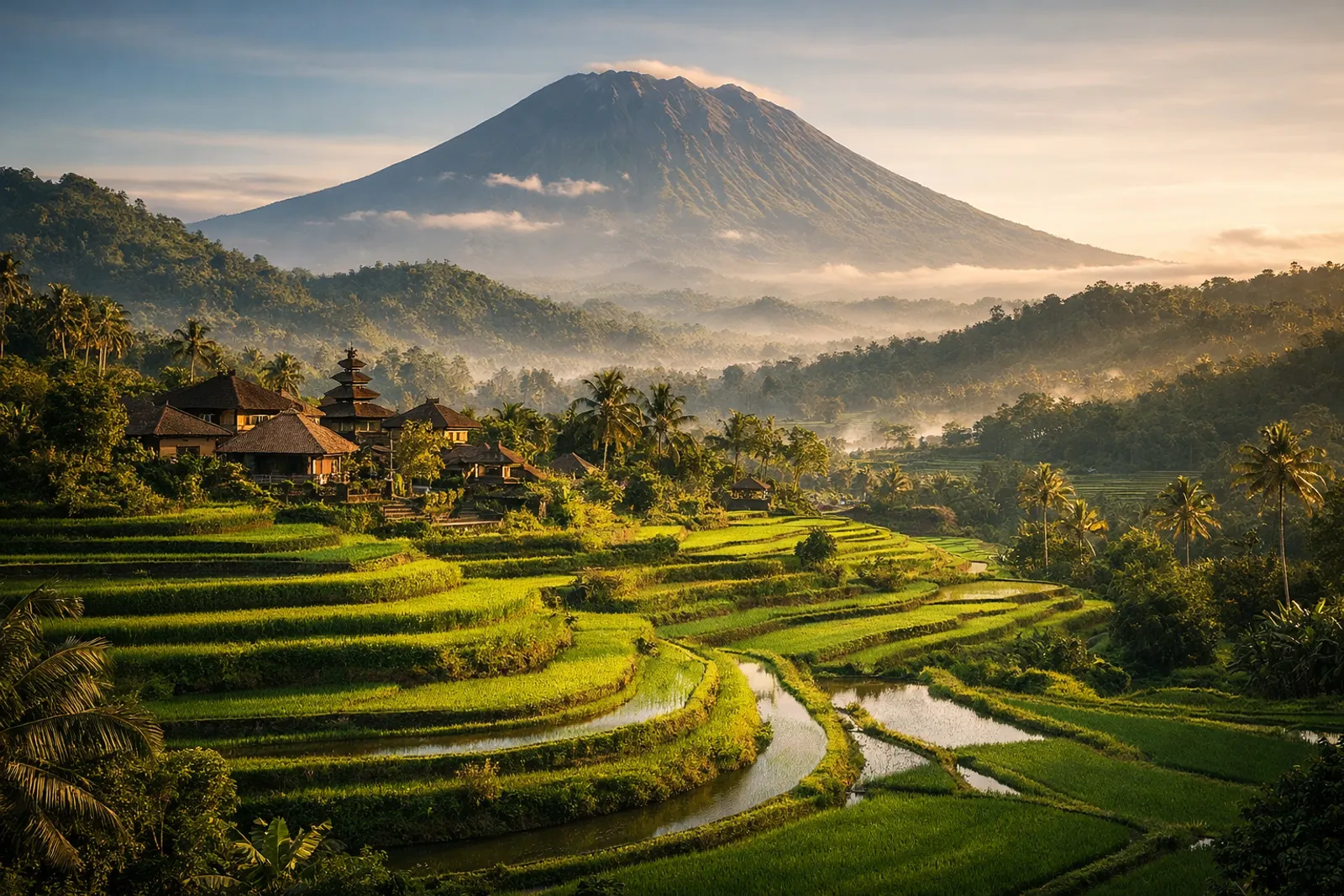
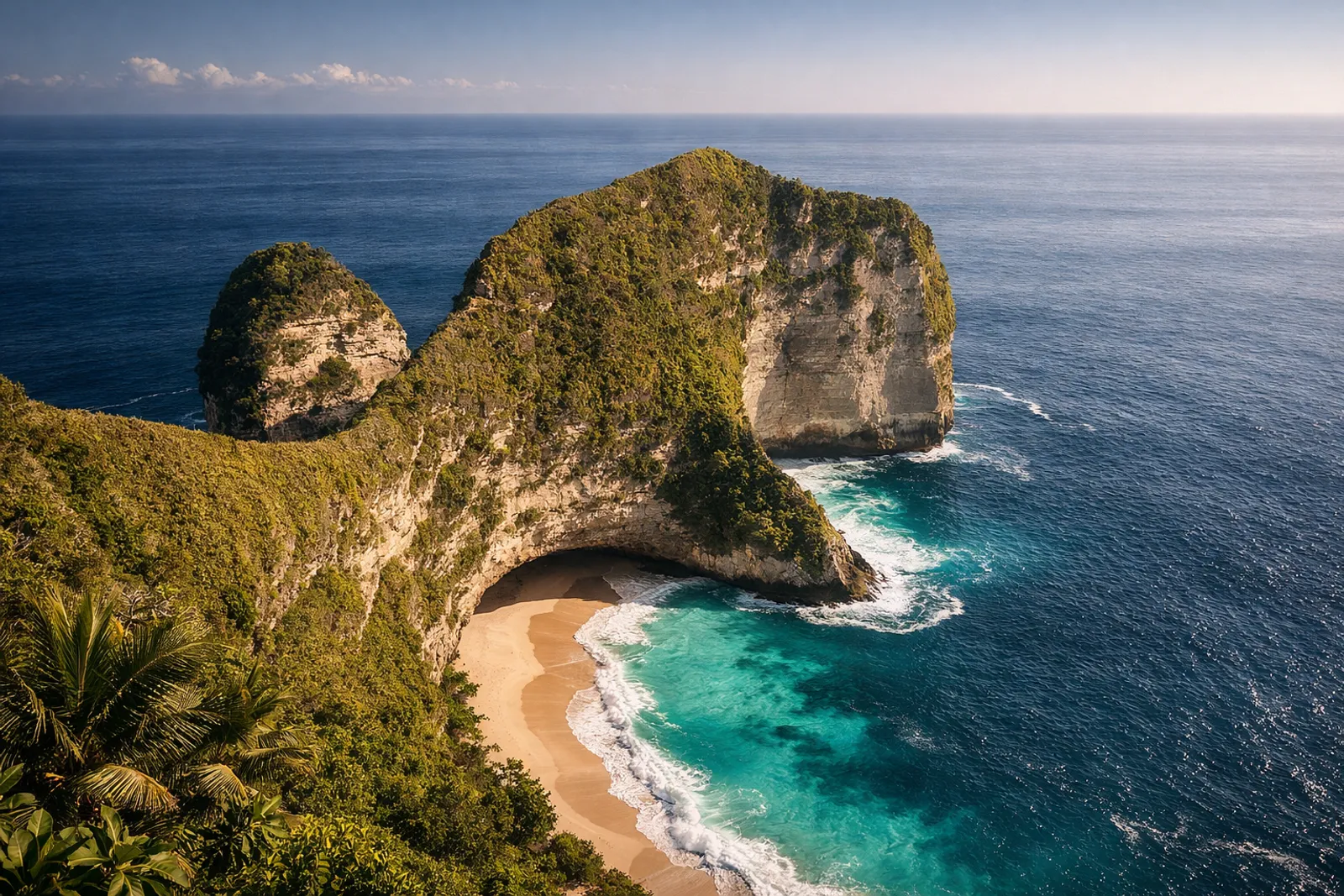
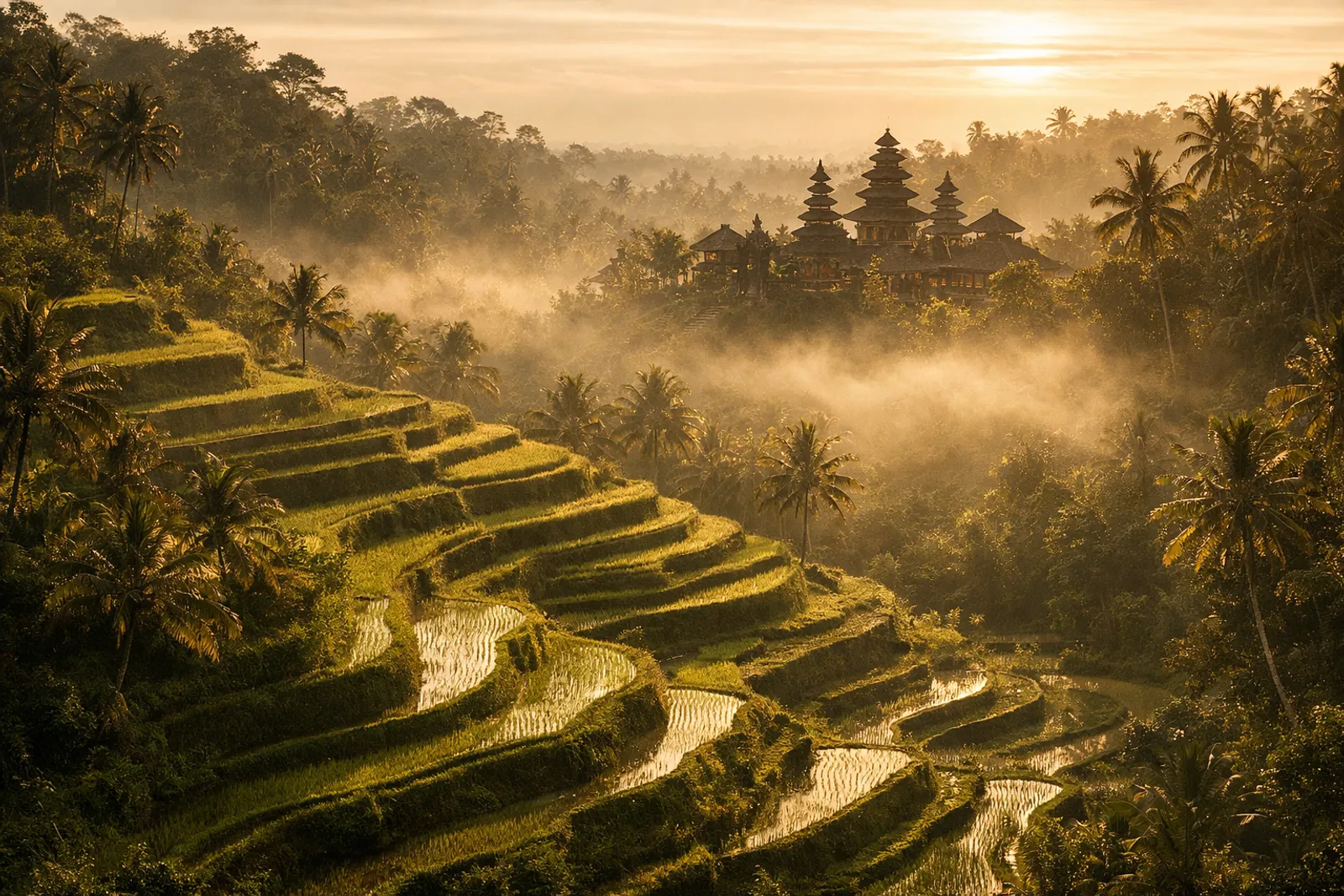
Bali's diversity means you can shoot jungle, ocean, volcanic, cultural, and urban scenes within a single day. The Tegallalang Rice Terraces north of Ubud offer the most iconic landscape — the cascading paddies create leading lines and patterns that work at any focal length, and the light is best in early morning or late afternoon when the sun rakes across the contours. Lempuyang Temple delivers the famous Gates of Heaven shot with a symmetrical view of Mount Agung framed between split gates — arrive before 7am to avoid extreme queues. Tirta Gangga Water Palace provides ornate Balinese architecture reflected in pools of koi fish, creating colourful foreground interest for architectural photography. The Campuhan Ridge Walk in Ubud offers a jungle ridgeline with palm trees silhouetted against sunrise skies — the narrow trail with grass hills on both sides creates a natural leading line. Nusa Penida's Kelingking Beach is one of the most dramatic coastal shots anywhere in the world — the T-Rex-shaped cliff plunging into turquoise water is instantly recognisable. Jatiluwih UNESCO rice terraces in Tabanan offer a wider, less crowded landscape than Tegallalang with Mount Batukaru as a backdrop. The Handara Gate in Bedugul, a Balinese split gate surrounded by mountain mist, creates an ethereal portrait location.

01

Tegallalang Rice Terraces

cascading paddies, golden hour magic

02

Lempuyang Temple

Gates of Heaven with Mount Agung

03

Tirta Gangga

ornate water palace, koi fish reflections

04

Campuhan Ridge Walk

jungle sunrise silhouettes

05

Kelingking Beach, Nusa Penida

dramatic coastal cliff

06

Jatiluwih

wide UNESCO rice terraces with volcano backdrop

07

Handara Gate

misty mountain split gate

Golden Hour and Timing Strategy

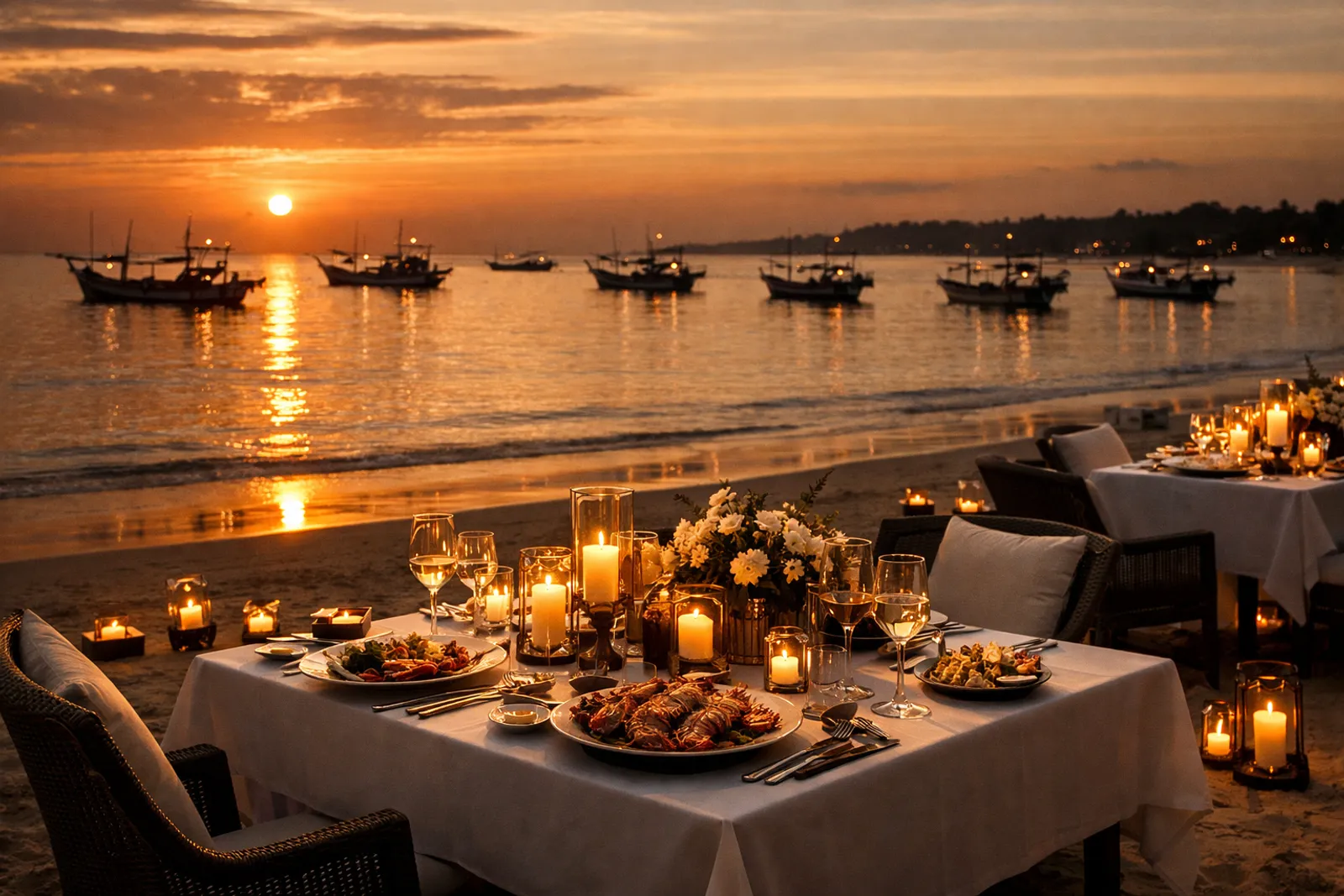
Light is everything in photography, and Bali's equatorial position means the golden hour timing is remarkably consistent year-round. Sunrise occurs between 6:00 and 6:30am, with the golden hour running from approximately 5:30 to 7:00am. Sunset falls between 6:00 and 6:30pm, with golden hour from approximately 5:00 to 6:30pm. The blue hour — that magical twilight window of deep blue and purple tones — lasts roughly 20 minutes before sunrise and after sunset. For landscape photography, the morning golden hour is generally superior in Bali because the air is clearest, the light is warmest, and tourist crowds have not yet arrived. East-facing locations like Lempuyang Temple and Mount Batur are obvious sunrise choices, while west-facing spots like Tanah Lot, Uluwatu Temple, and the Canggu coastline deliver spectacular sunset sessions. Overcast days, which are common during the wet season, should not be dismissed — the soft, diffused light is ideal for waterfall photography, portrait work, and jungle scenes where harsh shadows would otherwise create difficult contrast. Midday light is harsh and unflattering for most subjects, so use those hours for scouting locations, eating, or shooting in shaded environments like temple interiors and jungle canopies.

Drone Photography Rules and Tips

Drone photography in Bali can produce breathtaking aerial perspectives of rice terraces, coastlines, and volcanic landscapes, but you must understand the regulations to fly legally and safely. Indonesian drone regulations require registration of drones weighing over 250 grams through the AirNav Indonesia system. No-fly zones include a 9-kilometre radius around Ngurah Rai Airport, all active military installations, government buildings, and crowds of people. Maximum altitude is 150 metres unless specific permission is obtained. Many temples and cultural sites prohibit drone flights — always ask locally before launching. Popular and legally permissible drone locations include the Jatiluwih rice terraces, secluded beaches along the Bukit Peninsula, the Nusa Penida coastline away from restricted areas, and rural areas of east and north Bali. Early morning flights deliver the best light and calmest wind conditions. Practically, carry extra batteries because tropical heat drains battery life faster, use ND filters for smooth video at lower apertures, and always maintain visual line of sight. If you are a professional photographer, consider applying for a specific flight permit through AirNav for expanded access. Respect local sensitivity — some Balinese communities find drones intrusive near ceremonies and sacred sites.

01

Register drones over 250g with AirNav Indonesia

02

No-fly: 9km around airport, military, government buildings

03

Max altitude: 150 metres without special permission

04

Best locations: Jatiluwih, Bukit beaches, Nusa Penida, rural north

05

Fly early morning for best light and calm winds

06

Always ask locally before flying near temples

Gear Recommendations for Bali

Your gear choices should account for Bali's tropical conditions: heat, humidity, dust, salt spray, and occasional rain. A weather-sealed camera body is a significant advantage — the humidity and sudden tropical showers can damage unprotected equipment. Bring silica gel packets in your camera bag to absorb moisture overnight. For lenses, a versatile zoom like a 24-70mm f/2.8 covers most situations, supplemented by a wide-angle lens (14-24mm) for landscapes and temple interiors, and a telephoto (70-200mm) for ceremony details and wildlife at a respectful distance. A sturdy travel tripod is essential for sunrise and sunset shoots, long exposures of waterfalls, and blue hour photography — carbon fibre models handle the humidity better than aluminium. ND filters enable long-exposure water effects at waterfalls and ocean scenes during daylight hours. A polarising filter cuts through tropical haze and enhances the green of rice terraces dramatically. For protection, a rain cover for your camera and a waterproof bag insert are non-negotiable in wet season. Clean your sensor before the trip and bring a sensor cleaning kit — Bali's dusty roads and volcanic ash can find their way into everything. A comfortable camera backpack with good ventilation prevents the sweat-soaked back that a solid pack creates in tropical heat.

Hiring a Local Photography Guide

A local photography guide transforms a good photo trip into an extraordinary one, and in Bali the investment is modest compared to the value delivered. Professional photography guides typically charge USD 80–200 per day and provide intimate knowledge of locations, optimal timing, alternative viewpoints that avoid crowds, and often access to private locations that independent visitors cannot reach. They know which temples allow tripods, which rice terrace farmers welcome photographers for a small donation, and which hidden waterfalls deliver the best conditions at which time of day. For serious photographers, a multi-day guided itinerary covering Bali's diverse regions — south coast cliffs one day, highland lakes and temples the next, followed by east Bali rice terraces and Mount Agung vistas — produces a portfolio that would take weeks to assemble independently. Many guides are accomplished photographers themselves and can offer composition advice, post-processing tips, and creative direction tailored to your skill level. For portrait and cultural photography, a guide's relationships with local communities make the difference between awkward tourist snapshots and genuine, intimate portraits taken with consent and cultural understanding. We strongly recommend guiding for anyone whose photography is a priority rather than an afterthought.

Frequently Asked Questions

What are the most Instagrammable spots in Bali?

The most popular Instagram locations include the Gates of Heaven at Lempuyang Temple, Tegallalang Rice Terraces and their swing, the Handara Gate in Bedugul, Kelingking Beach on Nusa Penida, Tirta Gangga Water Palace, and the jungle infinity pools of Ubud villas. For less crowded alternatives with equally stunning results, ask about our curated photography itineraries that include hidden locations.

Can I fly a drone in Bali?

Yes, with restrictions. Drones over 250g must be registered with AirNav Indonesia. No-fly zones include a 9km radius around the airport, military areas, and government buildings. Maximum altitude is 150m. Many temples prohibit drones. Rural rice terraces, secluded beaches, and parts of Nusa Penida are popular legal flying locations. Always check current regulations and ask locally before flying.

What is the best time of day for photography in Bali?

The golden hour from 5:30–7:00am and 5:00–6:30pm produces the most dramatic light. Morning golden hour is generally superior in Bali with clearer air and fewer crowds. The blue hour lasts about 20 minutes before sunrise and after sunset. Overcast days provide excellent diffused light for waterfalls, jungles, and portraits. Avoid harsh midday sun for most subjects.

Should I hire a photography guide in Bali?

If photography is a priority, absolutely. A local guide costs USD 80–200 per day and provides location expertise, optimal timing knowledge, crowd-avoidance strategies, and often access to private locations. They can also assist with cultural photography by facilitating respectful interactions with local communities. The efficiency gain alone — avoiding wrong turns and poorly timed visits — more than justifies the cost.

Can Bali Malayali organise a photography-focused trip?

Yes, we design photography itineraries that prioritise optimal light timing, diverse locations, and logistical efficiency. We connect you with experienced local photography guides, arrange transport timed to sunrise and sunset schedules, and recommend accommodation near key shooting locations. Whether you are a professional or enthusiast, we build trips around your photographic goals.

Ready to Plan Your Bali Trip?

Our local team will craft a personalized itinerary tailored to your dates, preferences, and budget.

Plan My Trip on WhatsApp