Wet Season Guide

Bali Rainy Season Guide — How to Enjoy Bali in Wet Weather

By Adhil P Bhaskaran, Founder Updated April 2026 7 min read

The rainy season in Bali, running roughly from November through March, is one of the most misunderstood aspects of travel to the island. Mention 'rainy season' and most people picture days of endless, dreary rain that make outdoor activities impossible. The reality could not be more different. Bali's wet season delivers warm, sunny mornings, dramatic afternoon thunderstorms that are thrilling to watch from the comfort of your villa, and landscapes so green and lush that they make dry-season Bali look almost parched by comparison. For travellers who understand the pattern, the rainy season can be the most rewarding time to visit.

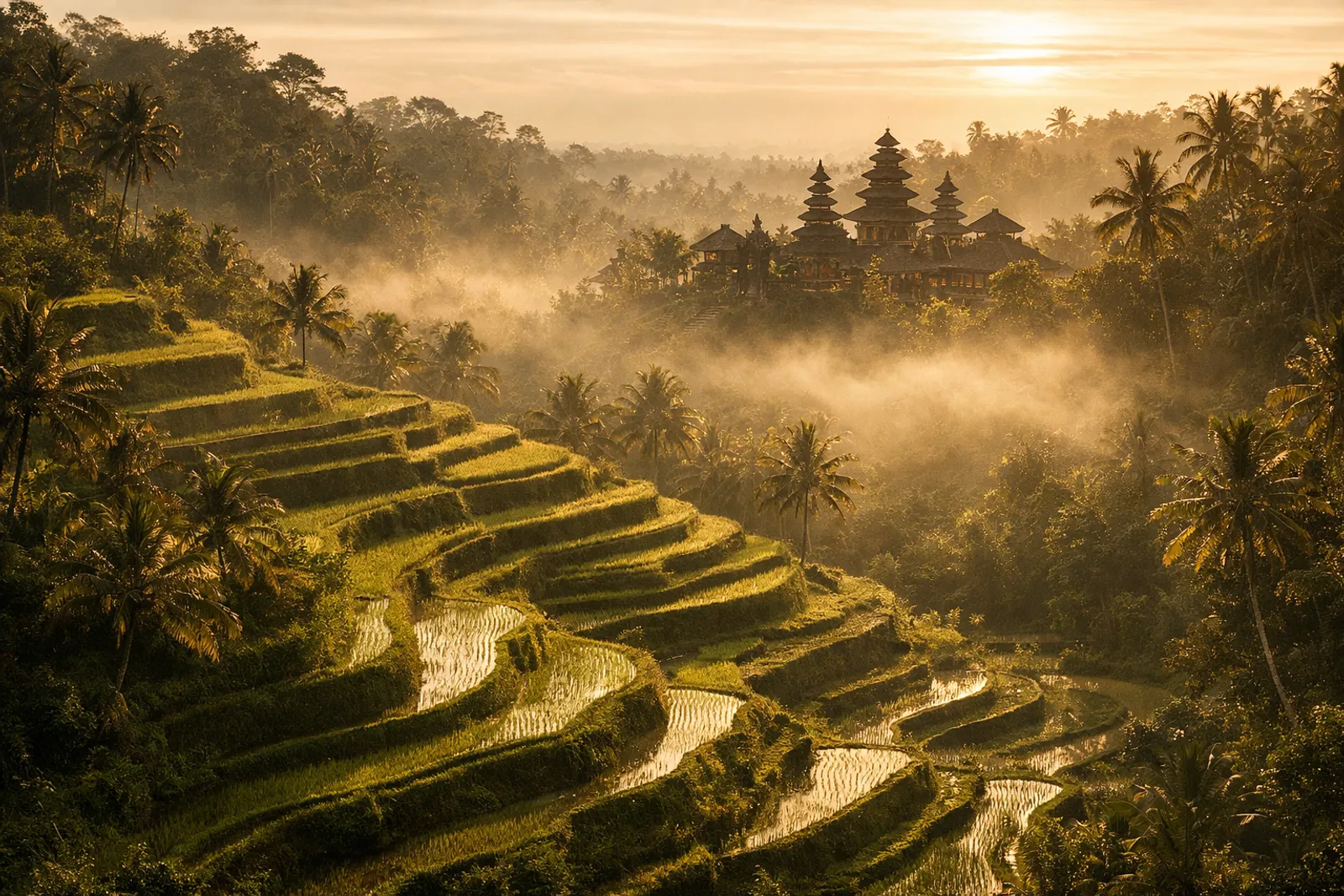
Bali Malayali is a strong advocate for wet-season travel, and the reasons are compelling. Accommodation prices drop 30-50% across the island. Tourist crowds thin dramatically — sometimes you'll be the only visitors at famous temples and attractions. The rice terraces reach their most photogenic state, waterfalls thunder at their most impressive, and the whole island vibrates with the intense green energy of tropical monsoon growth. The Balinese themselves find this season spiritually significant, with many important ceremonies falling during this period.

The key to enjoying Bali's wet season is understanding and working with the weather rhythm rather than fighting against it. The rain follows a remarkably consistent pattern: clear mornings, building clouds after noon, afternoon or evening downpours lasting 1-3 hours, then often clearing by nightfall. Bali Malayali designs wet-season itineraries that front-load outdoor activities into the morning hours and schedule indoor experiences — cooking classes, spa treatments, museum visits, shopping — for the afternoon. The result is a trip that feels full, varied, and barely affected by the rain.


Understanding Bali's Wet Season Weather

Bali's wet season runs from approximately November through March, peaking in January-February. Monthly rainfall ranges from 200mm in November to 350-400mm in February before declining in March. But these figures are misleading if you imagine steady all-day rain — the reality is concentrated bursts. A typical wet-season day begins with clear skies and warm sunshine from 6am. Temperatures climb to 30-32°C by late morning, the warmest of the year. Clouds build through the early afternoon, and by 2-4pm a thunderstorm arrives — sometimes spectacularly dramatic with lightning, thunder, and torrential rain. This lasts 1-3 hours before easing. By evening, skies often clear, sometimes delivering stunning sunset colours created by lingering moisture in the atmosphere. Night temperatures remain warm at 24-26°C. This pattern means you typically have 6-8 hours of sunny weather each day — plenty for a full morning of activities.

Best Wet Season Activities

The rainy season opens up some experiences that are actually better than their dry-season equivalents while closing off very few. Waterfalls are at their absolute peak — Sekumpul, Gitgit, Nungnung, and dozens of others are thundering cascades rather than gentle trickles. The rice terraces of Tegallalang and Jatiluwih are at their greenest and most photogenic. Rivers run higher, making white water rafting on the Ayung more exciting. Indoor activities become valuable afternoon options: Balinese cooking classes, spa treatments, traditional dance lessons, batik painting workshops, silversmith classes, and museum visits at ARMA, Neka, and Blanco in Ubud. The cultural calendar is rich during wet season — temple ceremonies and festivals occur frequently. For surfers, the wet season brings swells to east coast breaks like Keramas and Sanur that are flat during the dry season.

01

Waterfall visits at peak flow

02

Rice terrace photography at maximum green

03

Ayung River rafting with higher water

04

Cooking classes during afternoon rain

05

Spa and wellness retreats

06

Museum and gallery visits in Ubud

07

Temple ceremonies and cultural festivals

08

East coast surfing at Keramas and Sanur

09

Shopping and markets during rain hours

Wet Season Deals and Savings

The financial benefits of wet-season travel are enormous. Hotel and villa rates drop 30-50% compared to peak season across all categories. A luxury villa that costs $500 per night in August might be available for $200-250 in January. Flights from most international cities are significantly cheaper, with some routes offering deals at half the peak-season price. Many luxury resorts offer wet-season packages that bundle accommodation with spa treatments, dining credits, airport transfers, and cultural experiences at extraordinary value. Dive operators, surf camps, and activity providers also reduce prices and offer promotions during the quieter months. The overall effect is that your travel budget goes dramatically further — you can experience luxury-level Bali for a mid-range budget, or stretch a budget trip into something truly remarkable.

Wet Season Packing and Preparation

Proper preparation turns wet-season challenges into non-issues. Your most important items are a quality lightweight rain jacket and a compact travel umbrella — these two items alone make afternoon showers completely manageable. Quick-dry clothing is far superior to cotton, which stays damp and uncomfortable in the humidity. Waterproof sandals with good grip are essential for slippery temple steps and wet paths. A waterproof bag or dry bag protects electronics during downpours — even a simple zip-lock bag for your phone makes a difference. Pack mosquito repellent, as standing water increases mosquito activity. Bring antifungal powder if you're prone to skin issues in humidity. A lightweight waterproof daypack keeps everything dry during excursions. Finally, pack your expectations correctly — embrace the rain as part of the tropical experience rather than viewing it as an obstacle, and you'll have an incredible time.

Regional Wet Season Variations

Not all parts of Bali receive equal rainfall, and understanding regional variations helps with itinerary planning. The southern coast (Seminyak, Kuta, Uluwatu) typically receives less rain than the central highlands (Ubud, Kintamani). The north coast (Lovina, Munduk) has a slightly different rainfall pattern and can be drier on days when the south is wet. East Bali (Amed, Candidasa) tends to be one of the driest areas during the wet season, making it an excellent base for rain-averse travellers. Nusa Penida and the Gili Islands often experience different weather patterns from the mainland and can offer dry days when Bali itself is rainy. Building regional diversity into your wet-season itinerary — spending time in both wetter and drier areas — increases your chances of catching clear weather throughout your trip.

Frequently Asked Questions

Is it worth visiting Bali during the rainy season?

Absolutely yes. The rainy season offers incredible value (30-50% savings), dramatically fewer crowds, lush green landscapes, powerful waterfalls, and rich cultural experiences. Rain typically falls in short afternoon bursts, leaving mornings sunny and warm. Many experienced travellers prefer the wet season for its authentic atmosphere and exceptional value for money.

Does it rain all day during Bali's wet season?

No. The typical pattern is sunny mornings from 6am to early afternoon, followed by 1-3 hours of rain in the late afternoon, then often clearing by evening. Full-day continuous rain is rare. You get approximately 6-8 hours of clear, warm weather each day — more than enough for a full morning of activities and exploration.

What months are the wettest in Bali?

January and February are the wettest months, averaging 300-400mm of rainfall. December and March are moderately wet at 250-300mm. November is the mildest wet-season month at around 200mm. Even during the wettest months, rain follows a predictable afternoon pattern and rarely ruins entire days.

Can I still go to the beach during Bali's rainy season?

Yes, beaches are enjoyable during the rainy season, especially in the morning when skies are clear and temperatures are warm. Sea swimming is possible at protected beaches like Sanur and Nusa Dua, though some west coast beaches may have stronger currents. Beach days are best planned for the morning, with indoor activities reserved for the afternoon rain period.

Is it safe to travel Bali during monsoon season?

Generally yes, with standard precautions. Roads can be slippery and flooded during heavy rain — use a private driver rather than a scooter. Some mountain roads may be affected by minor landslides during extreme rainfall. Boat crossings to Nusa Penida and the Gilis can be rough or cancelled in bad weather — check conditions daily. Always have travel insurance that covers weather disruptions.

Ready to Plan Your Bali Trip?

Our local team will craft a personalized itinerary tailored to your dates, preferences, and budget.

Plan My Trip on WhatsApp