Surf's Up

Surfing in Bali — Best Breaks for Every Level

By Adhil P Bhaskaran, Founder Updated April 2026 8 min read

Bali is the surfing capital of Asia and one of the most celebrated surf destinations on the planet, offering an extraordinary diversity of waves that cater to every skill level — from the gentle, forgiving whitewash of Kuta Beach where thousands of beginners catch their first wave every year, to the thundering reef breaks of Uluwatu and Padang Padang that attract the world's best professional surfers with powerful, hollow barrels that rank among the finest waves on earth. The island's unique geography, straddling the Indian Ocean swell window with coastlines facing every direction, means that somewhere in Bali there is always a wave breaking perfectly, regardless of season, wind direction, or swell size.

Bali Malayali recognizes that surfing is more than a sport for many visitors — it is a lifestyle, a meditation, and often the primary reason for choosing Bali over other tropical destinations. Our team includes surfers who have ridden waves across the island for years, and this guide reflects genuine wave knowledge rather than recycled tourist information. We know which breaks work on which tides, where the crowds thin out, which surf schools deliver real progression versus glorified photo opportunities, and the seasonal patterns that determine when each spot is at its best.

Whether you are a complete beginner dreaming of standing on a surfboard for the first time, an intermediate surfer looking to progress to reef breaks, or an experienced charger seeking world-class barrels, Bali Malayali's surfing guide covers every aspect of the Bali surf experience — from the best breaks and schools to board rental, surf etiquette, safety, and the vibrant surf culture that makes this island a global surfing mecca.


Beginner Surf Spots & Schools

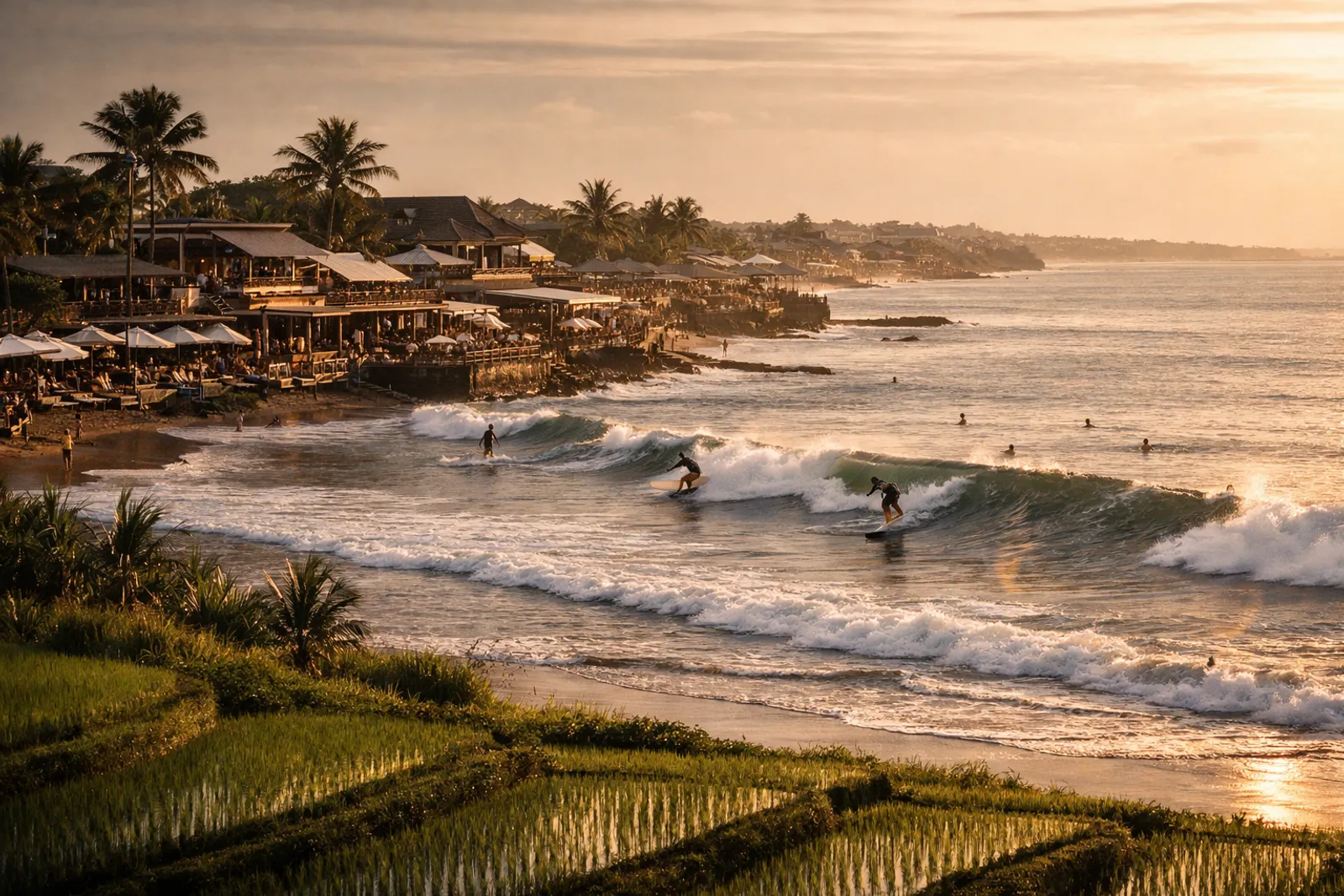
Kuta Beach remains Bali's best beginner surf destination, with a long, sandy bottom beach break that produces gentle, forgiving waves perfect for learning. The whitewash (broken wave foam) rolls consistently onto the beach, providing an ideal platform for first-timers to practice standing up. Dozens of surf schools operate along Kuta Beach, offering two-hour lessons from around $25-35 that include board, rashguard, and instruction. For slightly more experienced beginners, Seminyak Beach offers similar conditions with fewer crowds. In Canggu, Batu Bolong (Old Man's) is a mellow point break that works brilliantly for beginner-to-intermediate surfers, with a sandy bottom and manageable wave faces. Sanur's reef breaks offer calm, small waves that suit beginners comfortable in the water. When choosing a surf school, look for operations with ISA-certified instructors, small group sizes (maximum 3-4 students per instructor), and good safety equipment. Odysseys Surf School, Pro Surf School, and Rip Curl School of Surf are all reputable operations with years of experience teaching beginners.

Intermediate & Advanced Breaks

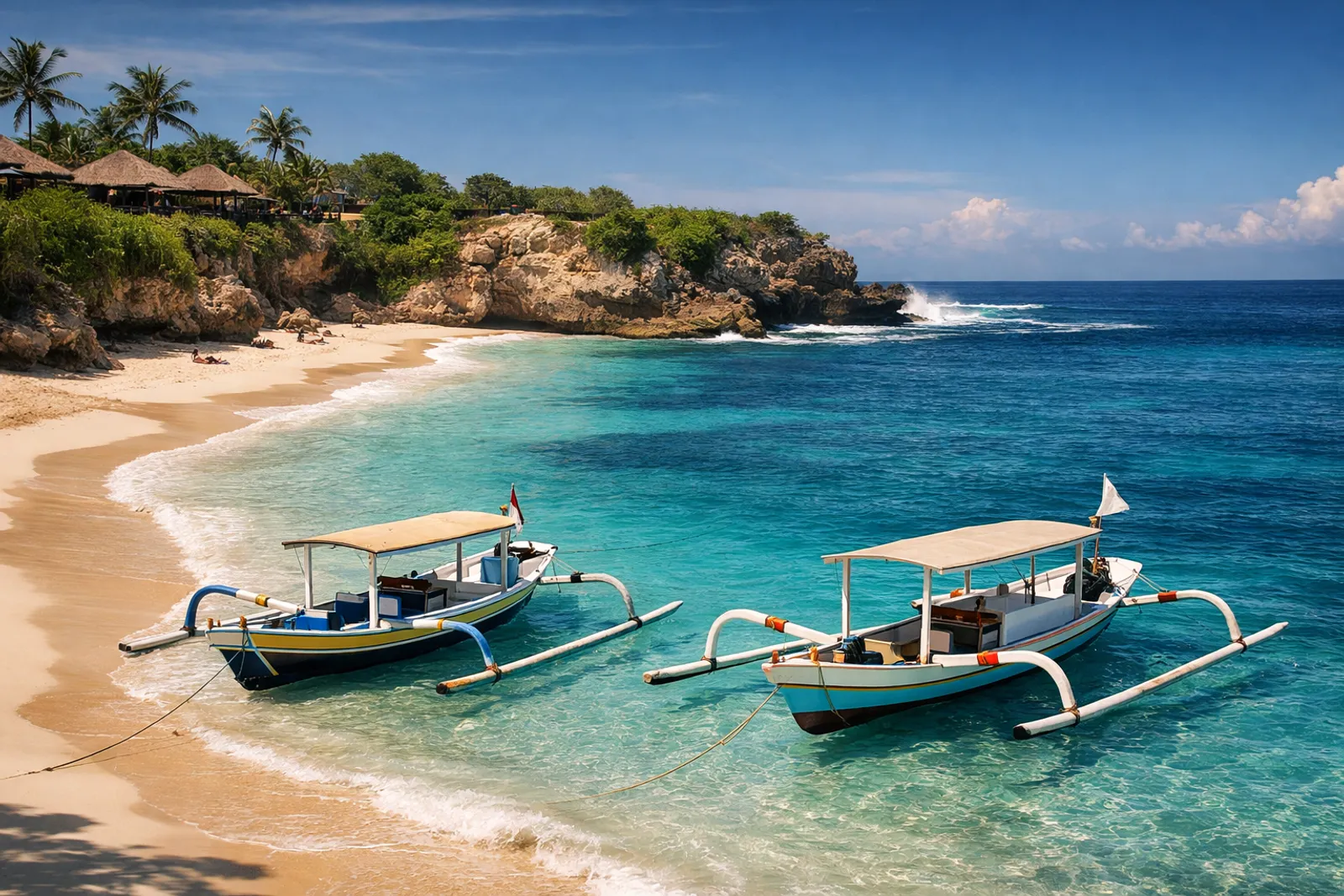
Once you are comfortable on a wave, Bali's intermediate breaks offer exciting progression opportunities. Echo Beach in Canggu produces powerful left-hand waves over a sand-and-rock bottom, with consistent overhead surf that challenges improving surfers. Balangan Beach on the Bukit Peninsula is a beautiful left-hand reef break that works best at mid to high tide with 4-6 foot swell — the wave is relatively forgiving for its quality and the white sand beach setting is stunning. Dreamland (now called New Kuta Beach) offers a powerful beach break with hollow sections that test intermediate surfers. For advanced surfers, Uluwatu is the crown jewel — a series of world-class left-hand reef breaks accessed through a cave at the base of the cliff, offering long, powerful, and potentially barreling waves that rank among the best in the world. Padang Padang is Bali's most famous barrel, a short but incredibly intense left-hand tube that breaks over shallow reef and attracts pro surfers during the peak season swells. Keramas on the east coast is a fast, powerful right-hander that hosts professional WSL competitions.

Surf Seasons & Conditions

Bali's surf is seasonal, with the dry season (April-October) and wet season (November-March) producing fundamentally different conditions on opposite coasts. During the dry season, consistent southwest swells from the Indian Ocean light up the western and southern coasts — Uluwatu, Padang Padang, Bingin, Canggu, and Balangan all fire during this period, with the biggest swells typically arriving in June-August. Offshore winds (blowing from the land) groom the waves to perfection on the west coast during the dry season mornings. During the wet season, eastern and northern coasts come alive — Keramas, Sanur, Nusa Dua, and spots along the east coast receive northeast swells with offshore winds creating clean conditions. The shoulder months (April-May and September-October) often produce excellent conditions on both coasts as swells transition. Water temperature is a warm 27-29 degrees Celsius year-round, so a rashguard for sun protection is the only neoprene you will need. Check Magicseaweed or Surfline for daily forecasts and swell predictions.

Board Rental, Repair & Surf Culture

Surfboards are available for rent at every surf beach in Bali, with prices ranging from 50,000-100,000 IDR ($3-7) per hour or 150,000-300,000 IDR per day depending on location and board type. Foam-top beginner boards are the cheapest; performance shortboards and mid-lengths cost more. For longer stays, monthly board rental offers much better value — negotiate at local surf shops in Canggu or Kuta for rates around $50-100 per month. If you are bringing your own board, most airlines charge $50-150 per board bag for the Bali route. Board repair shops (ding repair) are plentiful in Canggu, Kuta, and the Bukit, with minor repairs costing 50,000-200,000 IDR and typically completed within 24 hours. Bali's surf culture centers on Canggu, where surf shops, cafes, and the post-surf social scene create a vibrant community. Old Man's bar on the beach at Batu Bolong is the legendary gathering spot where surfers share stories over cold Bintangs as the sun sets.

Surf Safety & Etiquette

Surfing in Bali is generally safe but carries inherent risks that demand respect, particularly at reef breaks. Always check the break before paddling out — observe where other surfers enter and exit the water, identify any hazards, and assess whether the conditions match your ability level. Reef breaks like Uluwatu, Padang Padang, and Bingin break over sharp, shallow coral; wear reef booties and carry basic first aid for coral cuts, which are common and can become infected in tropical waters. Respect surf etiquette strictly: the surfer closest to the breaking part of the wave has priority (known as right of way), do not drop in on someone already riding, and paddle wide around the breaking zone rather than through it. Bali's lineup can be crowded and localism exists at certain breaks — approach new spots with humility, observe the pecking order, and do not compete aggressively for waves. Rip currents are common at beach breaks; if caught, swim parallel to the shore rather than fighting the current. Never surf alone at unfamiliar reef breaks, and always inform someone of your surf plans.

Frequently Asked Questions

Where should beginners learn to surf in Bali?

Kuta Beach is the best place to learn to surf in Bali, with gentle, consistent waves breaking over a sandy bottom. Batu Bolong in Canggu is another excellent beginner-friendly option. Both areas have numerous reputable surf schools offering lessons from $25-35 for two hours including equipment. Look for ISA-certified instructors and small group sizes for the best learning experience.

When is the best time to surf in Bali?

The dry season (April-October) is the best period for Bali's most famous breaks on the western and southern coasts, with consistent southwest swells and offshore winds. June-August brings the biggest swells. The wet season (November-March) is best for the east coast spots like Keramas. Shoulder months (April-May, September-October) often offer excellent conditions on multiple coasts.

How much does it cost to surf in Bali?

Board rental costs $3-7 per hour or $10-20 per day. Surf lessons for beginners run $25-45 for a two-hour group session or $50-80 for private instruction. Monthly board rental is $50-100. A surf guide for advanced breaks costs $40-60 per session. Bali is one of the most affordable surf destinations in the world, with excellent waves accessible at minimal cost.

Is Uluwatu safe for intermediate surfers?

Uluwatu is best suited for experienced surfers comfortable in powerful waves over shallow reef. The main peak (The Bombie) and Outside Corner are advanced-only, but the inside sections near the cave can be manageable for confident intermediates on smaller days (3-4 foot faces). Always observe the break from the cliff first, enter through the cave at the right tide, and consider a surf guide for your first session.

Ready to Plan Your Bali Trip?

Our local team will craft a personalized itinerary tailored to your dates, preferences, and budget.

Plan My Trip on WhatsApp