Sacred Island

Sacred Temples of Bali — Complete Temple Guide & Etiquette

By Adhil P Bhaskaran, Founder Updated April 2026 7 min read

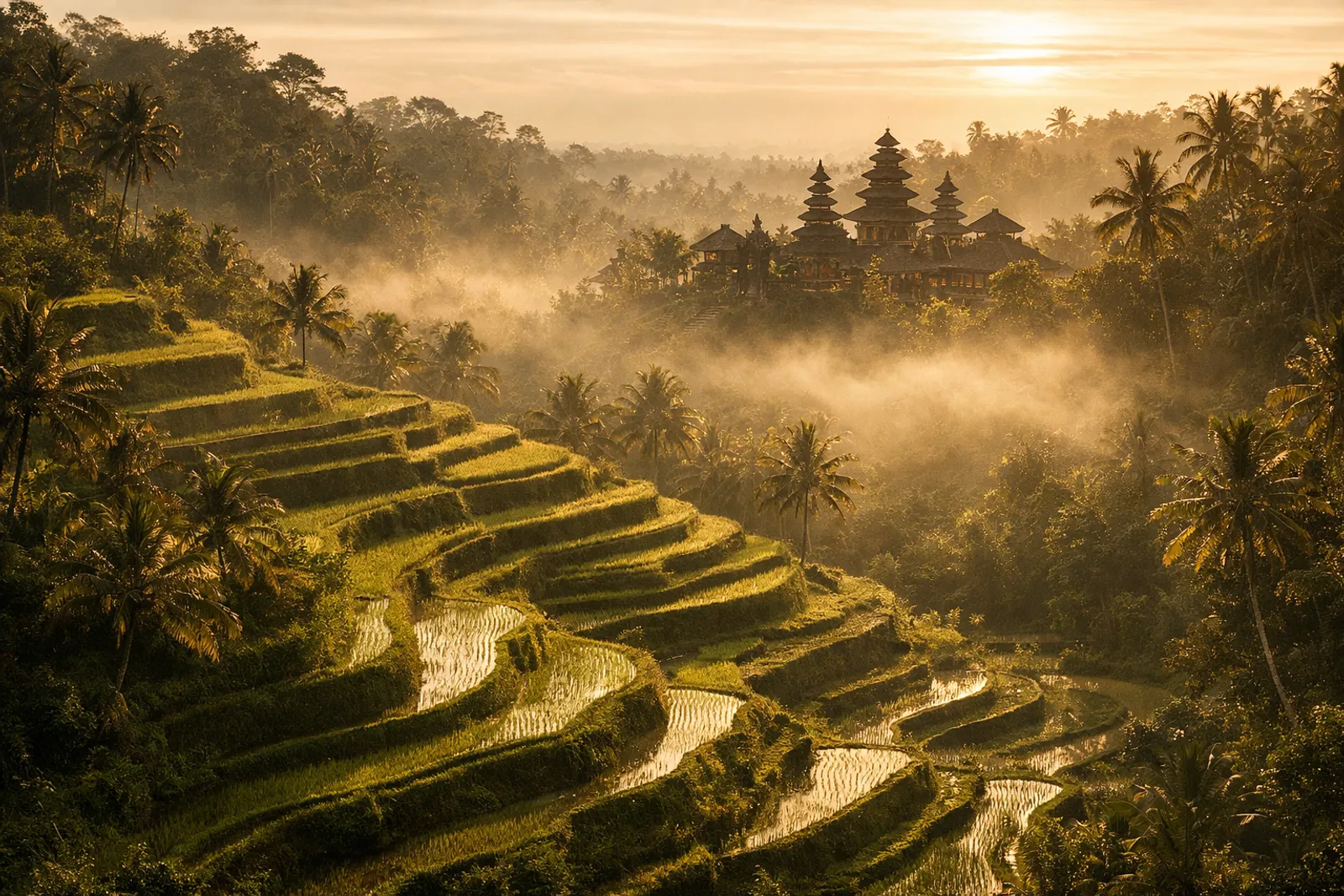
Bali is often called the Island of Ten Thousand Temples, and while the actual number may be closer to twenty thousand, the sentiment captures something profound about this extraordinary place — spirituality is woven into every aspect of daily life, and the temples that dot every village, hillside, cliff edge, and lakeside are living, breathing centers of devotion rather than museum relics. From the iconic sea temple of Tanah Lot silhouetted against flaming sunsets to the ancient mother temple of Besakih ascending the slopes of Mount Agung, Bali's temples represent one of the world's most vibrant and visually spectacular living religious traditions. Understanding these sacred spaces enriches any visit to Bali immeasurably.

Bali Malayali considers temple visits among the most important experiences we can offer our travelers, because they provide a window into the Balinese Hindu philosophy of Tri Hita Karana — the three causes of wellbeing through harmony with God, other people, and nature. Our team has visited every major temple on the island multiple times, during festivals and quiet days, at sunrise and sunset, to understand each one's unique character and spiritual significance. We know the best times to visit, how to avoid crowds, which ceremonies are open to respectful visitors, and the cultural context that transforms a temple visit from sightseeing into genuine understanding.

This Bali Malayali guide covers the essential temples every visitor should experience, practical information about dress codes and etiquette, the best times to visit, and deeper cultural context that will help you appreciate the extraordinary spiritual heritage that makes Bali unlike anywhere else on earth.
The Six Great Temples of Bali (Sad Kahyangan)

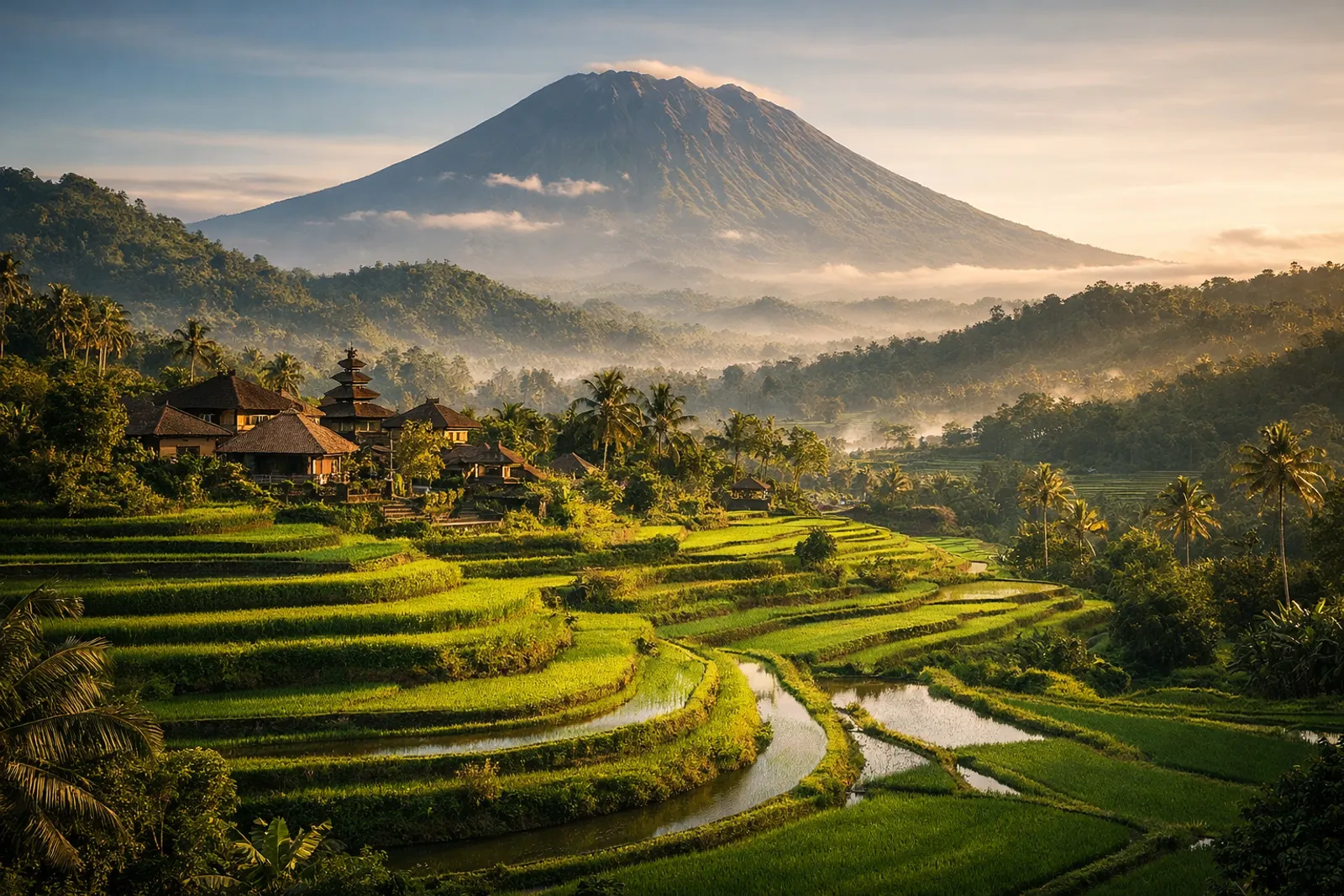
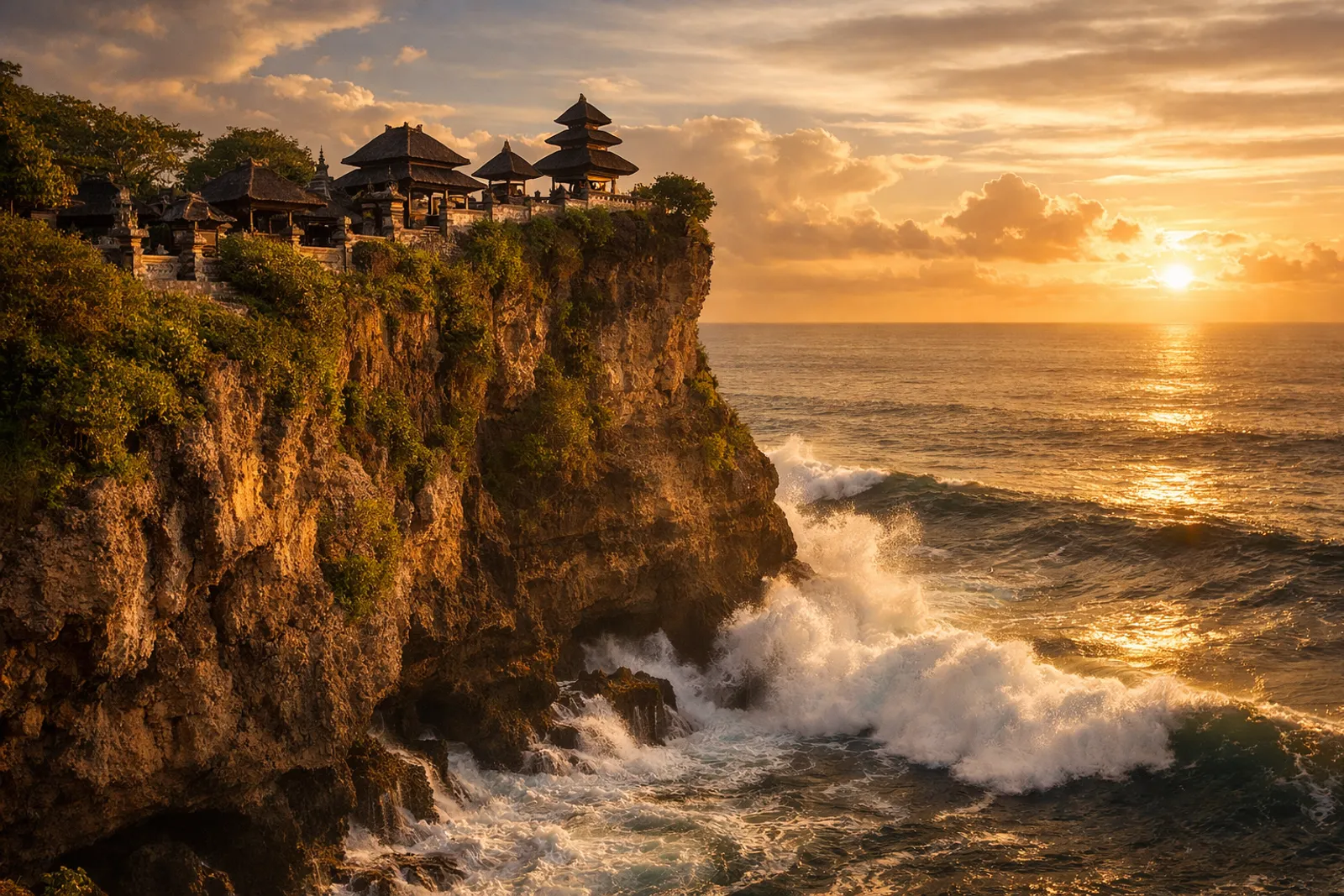
Balinese Hinduism recognizes six supreme temples — the Sad Kahyangan — that form the spiritual pillars of the island and are considered the holiest sites in Balinese religion. Pura Besakih, the Mother Temple, is the largest and most important, a vast complex of 23 separate temples ascending the slopes of Mount Agung at 1,000 meters elevation. Pura Uluwatu perches on a dramatic 70-meter cliff above the Indian Ocean, guarding the island's southwestern tip and hosting unforgettable Kecak fire dance performances at sunset. Pura Lempuyang, known as the Gateway to Heaven, has gained global fame for its split gate framing Mount Agung, though the viral reflection photo is actually created by a mirror-holding photographer. Pura Batukaru sits in the rainforest on the slopes of Mount Batukaru, Bali's second-highest peak, offering a mystical atmosphere far from tourist crowds. Pura Goa Lawah (Bat Cave Temple) and Pura Pusering Jagat in Pejeng complete the six, each representing a cardinal direction and spiritual function in the island's cosmic geography.

Iconic Temples Every Visitor Should See

Beyond the Sad Kahyangan, several temples have become iconic Bali experiences. Tanah Lot is the island's most photographed temple, a sea temple perched on a rock formation that becomes an island at high tide, with sunset views that have graced a million postcards. Tirta Empul near Tampaksiring is a sacred spring temple where Balinese Hindus undergo ritual purification by walking through a series of fountains — visitors can participate respectfully and the experience is deeply moving. Pura Taman Ayun in Mengwi is a stunning royal temple surrounded by lotus ponds and manicured gardens that exemplify Balinese architectural harmony. Tirta Gangga, the former royal water palace in East Bali, features beautiful pools, fountains, and stone carvings in a serene setting. Gunung Kawi near Tampaksiring houses ancient rock-cut shrines from the 11th century, reached by descending 300 steps through a river valley of rice paddies — one of Bali's most magical and least crowded temple experiences.

Temple Etiquette & Dress Code

Visiting Bali's temples requires respect for cultural and religious protocols that are taken very seriously by the Balinese. The most fundamental rule is the dress code: both men and women must wear a sarong (kain) and a sash (selendang) around the waist when entering any temple. Many temples provide rentals for 10,000-20,000 IDR, but carrying your own shows respect and ensures proper fit. Cover your shoulders and knees — tank tops, shorts, and revealing clothing are not appropriate. Women who are menstruating are traditionally asked not to enter temples, as are people with open wounds; this is considered a spiritual rather than discriminatory practice in Balinese belief. Never stand higher than the shrines or priests, avoid pointing your feet at sacred objects, and always ask before photographing ceremonies or worshippers. Remove your shoes when requested, speak quietly, and stay on designated paths. If a ceremony is in progress, watch from a respectful distance unless invited to participate.

Best Times to Visit & Ceremony Calendar

Timing your temple visits strategically can dramatically enhance the experience. Early morning (7-8am) is ideal for popular temples like Tanah Lot and Uluwatu, as you will arrive before the tour bus crowds and experience the temple in peaceful solitude. Sunset visits to Uluwatu and Tanah Lot are iconic but extremely crowded — arrive at least an hour before sunset to secure a good position. The Balinese calendar is packed with temple ceremonies called odalan, which occur every 210 days at each temple and transform them into vibrant celebrations with offerings, music, dance, and communal prayer. Galungan and Kuningan (occurring twice yearly) are the most important island-wide festivals, when every temple comes alive and villages are decorated with towering penjor bamboo poles. Nyepi (Balinese New Year, usually in March) is a day of complete silence when the entire island shuts down — no flights, no vehicles, no lights — creating one of the world's most unique cultural experiences. Check the Balinese calendar before your trip to align temple visits with ceremonies.

Hidden Temple Gems Off the Tourist Trail

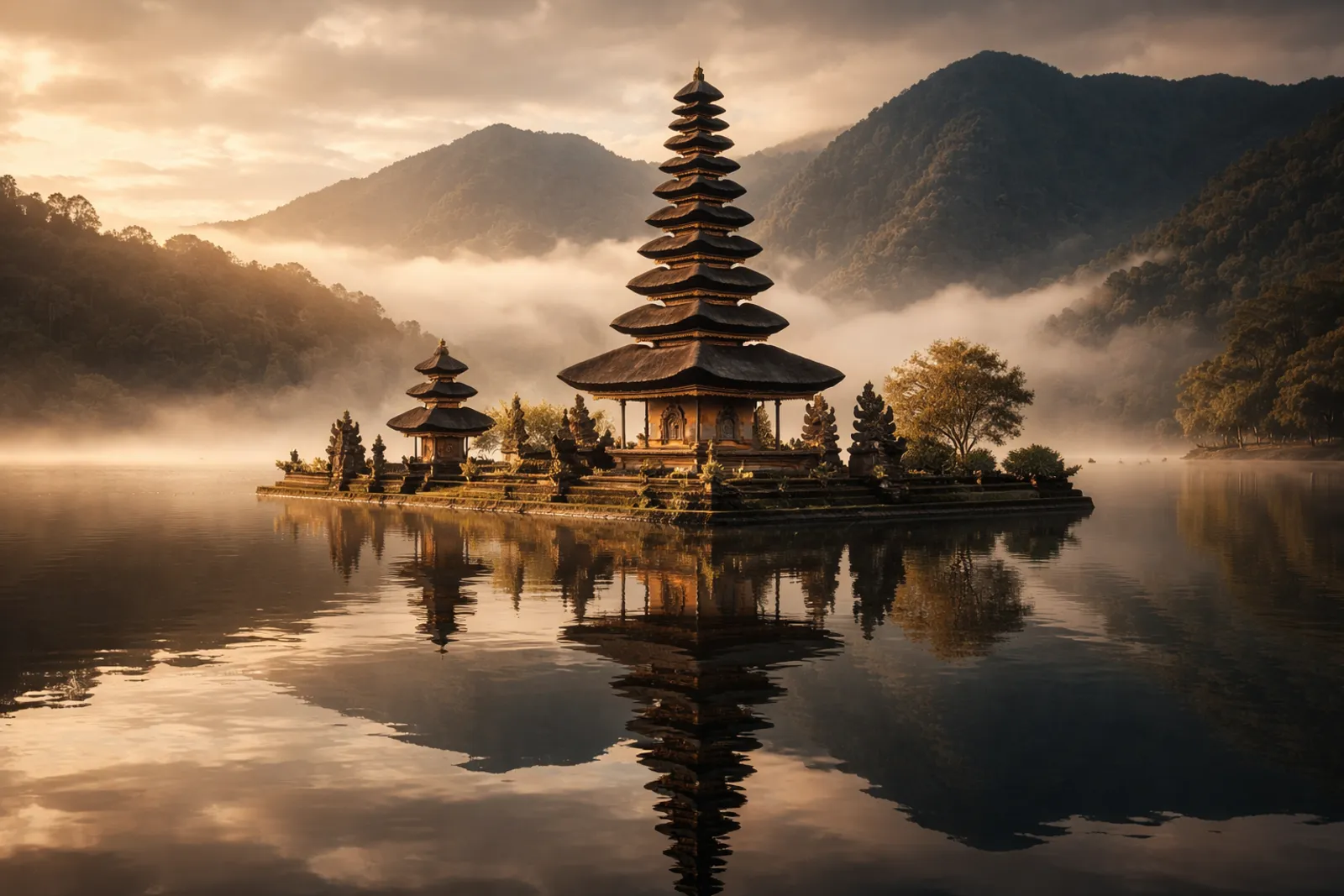
While Tanah Lot and Uluwatu deserve their fame, some of Bali's most magical temple experiences await in lesser-known locations that see a fraction of the visitors. Pura Kehen in Bangli is a spectacular terraced temple ascending a hillside with ancient banyan trees, massive stone staircases, and intricate carvings — often called a mini Besakih without the crowds. Pura Luhur Batukaru, nestled in highland rainforest, offers a mystical atmosphere where the sound of birdsong replaces tourist chatter. Pura Dalem Ped on Nusa Penida is one of Bali's most spiritually powerful temples, associated with the god of death and rarely visited by tourists. Pura Goa Gajah (Elephant Cave) near Ubud combines an ancient cave shrine with bathing pools and rock-carved fountains dating to the 9th century. Pura Ulun Danu Bratan on Lake Bratan is famously photogenic, appearing to float on the lake surface in the misty highlands, and is far less hectic than the southern coast temples.

Frequently Asked Questions

What should I wear to Bali temples?

You must wear a sarong (kain) and sash (selendang) around your waist when entering any temple in Bali. Cover your shoulders and knees with modest clothing. Most major temples rent sarongs for 10,000-20,000 IDR, but buying your own at a local market shows respect and costs around 50,000-100,000 IDR. Avoid revealing clothing and dress conservatively.

Can tourists enter Bali temples?

Yes, most Bali temples welcome respectful tourists. Wear appropriate temple clothing (sarong and sash), follow etiquette rules, and respect any restrictions during ceremonies. A few inner sanctum areas may be restricted to Hindu worshippers only. During major ceremonies, temples may limit tourist access, but you can usually observe from designated areas outside.

What is the most important temple in Bali?

Pura Besakih, the Mother Temple, is Bali's largest and most sacred temple complex, located on the slopes of Mount Agung. It comprises 23 separate temples and is the spiritual center of Balinese Hinduism. Every Balinese Hindu aspires to worship here during their lifetime. However, each village also has its own three essential temples which are equally important to local spiritual life.

Can I participate in a purification ceremony at Tirta Empul?

Yes, visitors are welcome to participate in the melukat (purification) ceremony at Tirta Empul temple. Wear a sarong, enter the pools respectfully, and follow the sequence from left to right, passing under each fountain spout while offering a brief prayer. Skip the two spouts reserved for funeral purification rites. The experience is profoundly moving and one of Bali's most meaningful cultural activities.

Ready to Plan Your Bali Trip?

Our local team will craft a personalized itinerary tailored to your dates, preferences, and budget.

Plan My Trip on WhatsApp