Asia Showdown

Bali vs Sri Lanka — The Ultimate Comparison Guide

By Adhil P Bhaskaran, Founder Updated April 2026 5 min read

Bali and Sri Lanka are two of Asia's most beloved tropical destinations, and they share more in common than you might initially think — ancient temple cultures, lush green highlands, world-class surf breaks, warm hospitality, and a cost of travel that makes luxury accessible to ordinary budgets. Yet each island has a distinct personality that appeals to different types of travellers, and understanding these differences is crucial for choosing the right destination for your next trip.

Bali Malayali frequently fields questions from travellers deciding between these two islands, and our honest assessment is that both are outstanding destinations that deliver exceptional value. Sri Lanka offers a more raw, adventure-oriented experience with incredible wildlife, tea country highlands, and ancient ruins that predate most of Southeast Asia's monuments. Bali offers a more polished, wellness-focused experience with superior dining, beach clubs, and a level of tourism infrastructure that makes independent travel effortless.

This comprehensive comparison covers every factor that matters: beaches and coastline quality, cultural richness and temple experiences, food and dining scenes, adventure activities, wildlife encounters, budget expectations, and ease of travel. Bali Malayali has deep expertise in Bali and provides this comparison so travellers can make informed decisions — and for those who choose Bali, we are ready to create an extraordinary custom itinerary that shows you why this island has captivated millions.
Beaches and Coastline

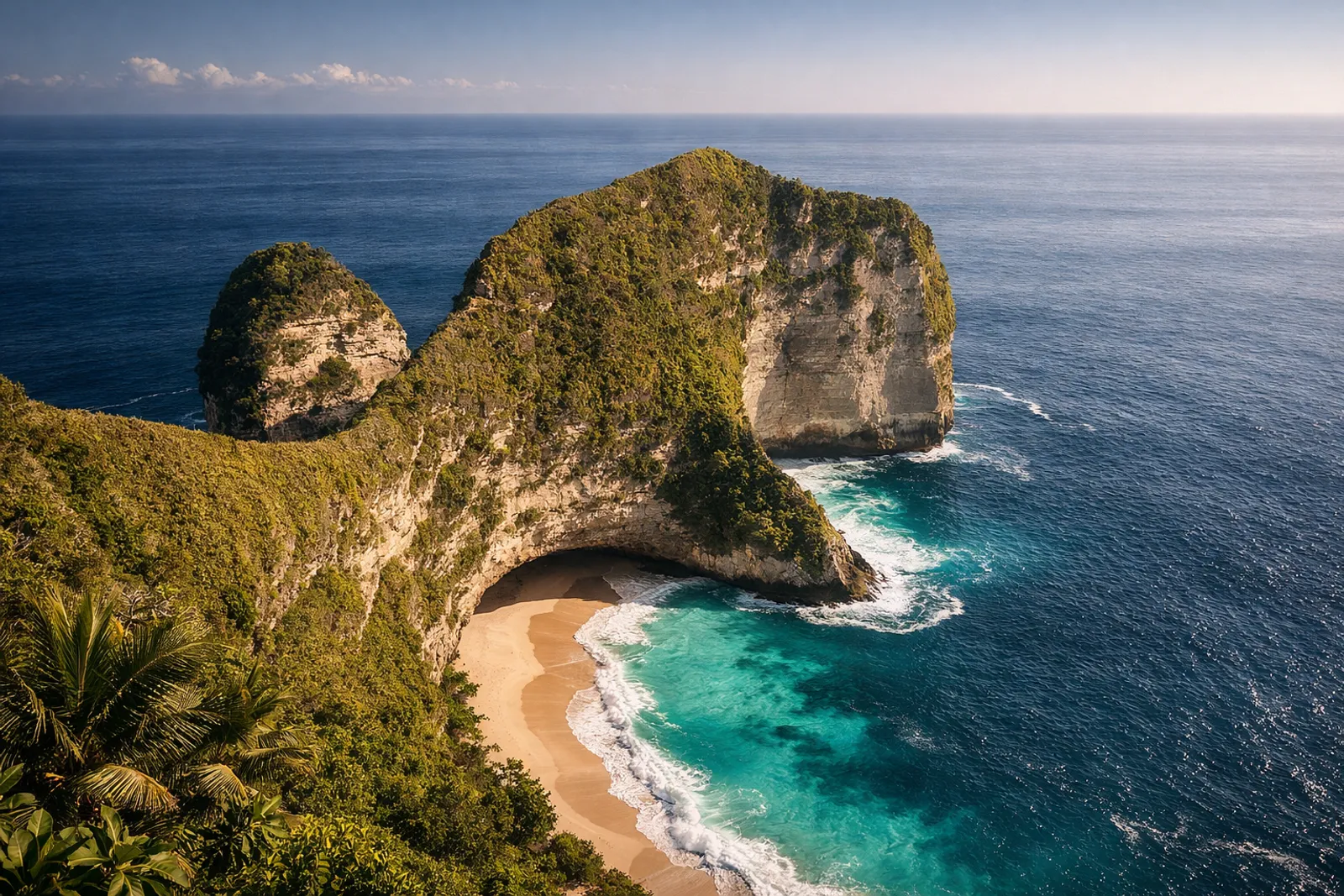
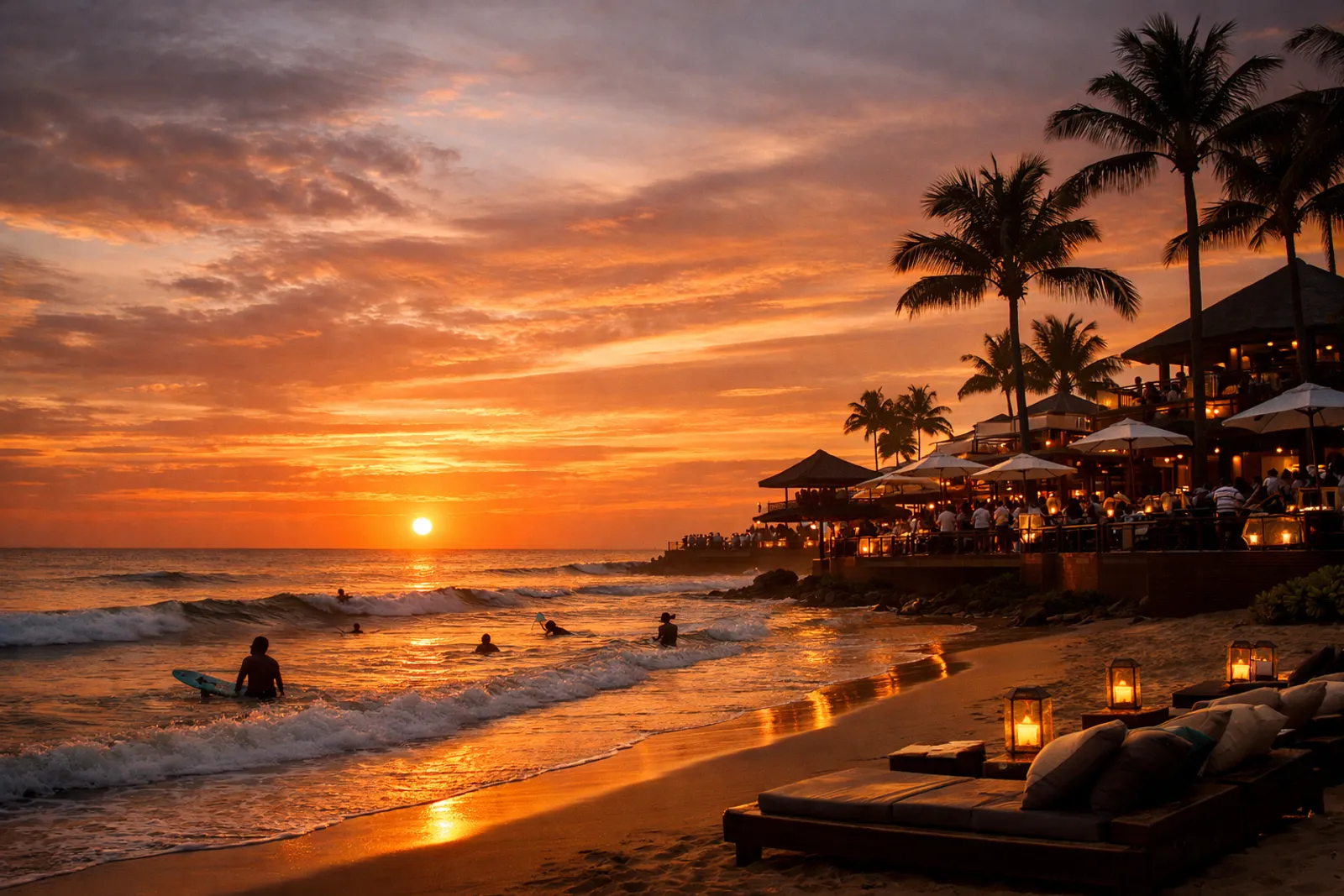
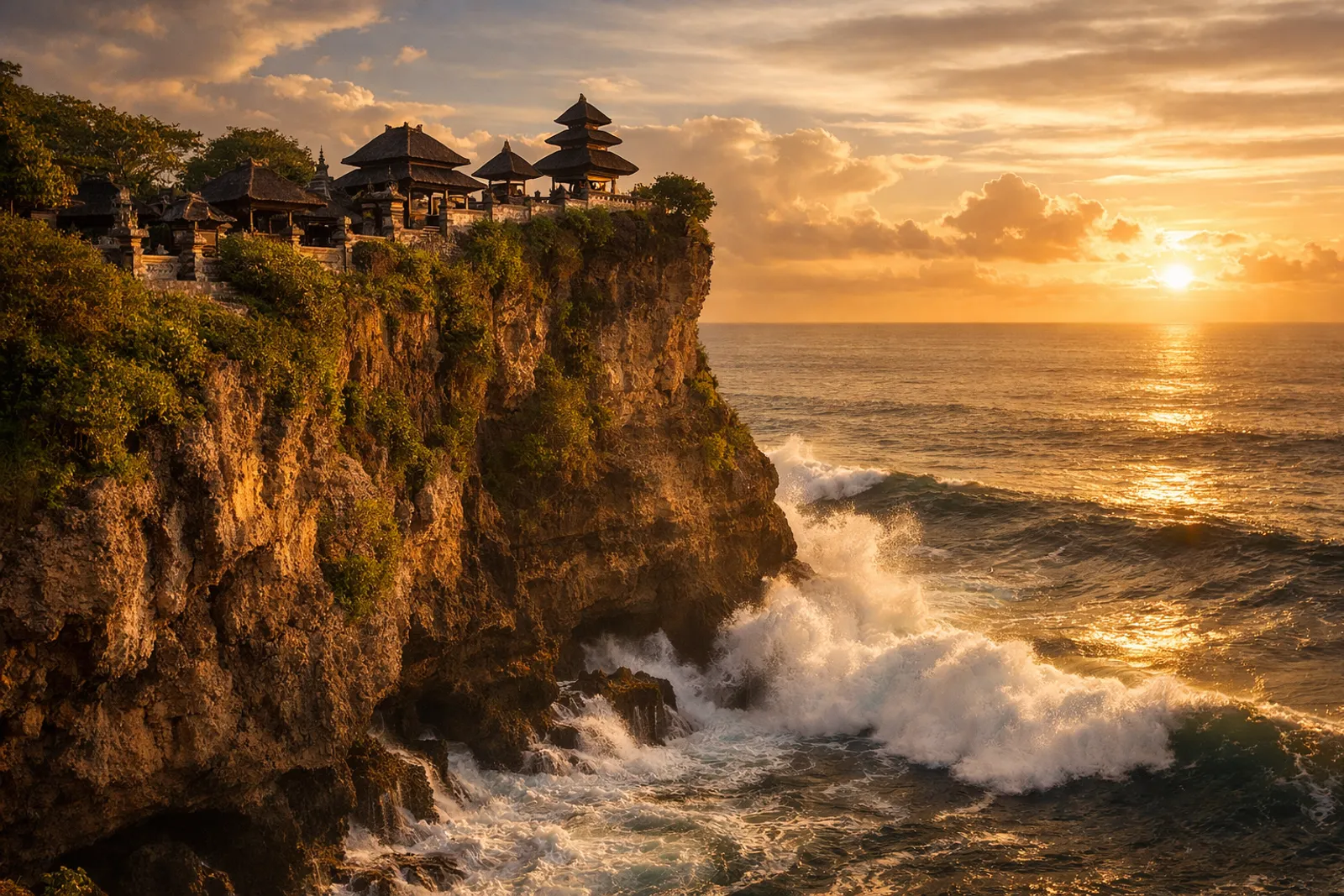
Both islands are surrounded by the Indian Ocean but offer distinctly different coastal experiences. Sri Lanka's coastline is vast and varied — the south coast features golden sand beaches like Unawatuna and Mirissa with excellent surf and whale watching, while the east coast around Trincomalee and Arugam Bay offers more secluded stretches and world-class surfing from May to October. Bali's coastline is more compact but incredibly diverse, with white sand beaches in the south, dramatic cliff-backed coves in Uluwatu, volcanic black sand in the north, and the stunning offshore islands of Nusa Penida, the Gilis, and Nusa Lembongan. For sheer beach variety within a small area, Bali wins. For long, uncrowded beach walks and a wilder coastline, Sri Lanka has the advantage. Both destinations offer excellent surfing, though Bali's breaks are more consistent year-round.

Culture, Temples, and History

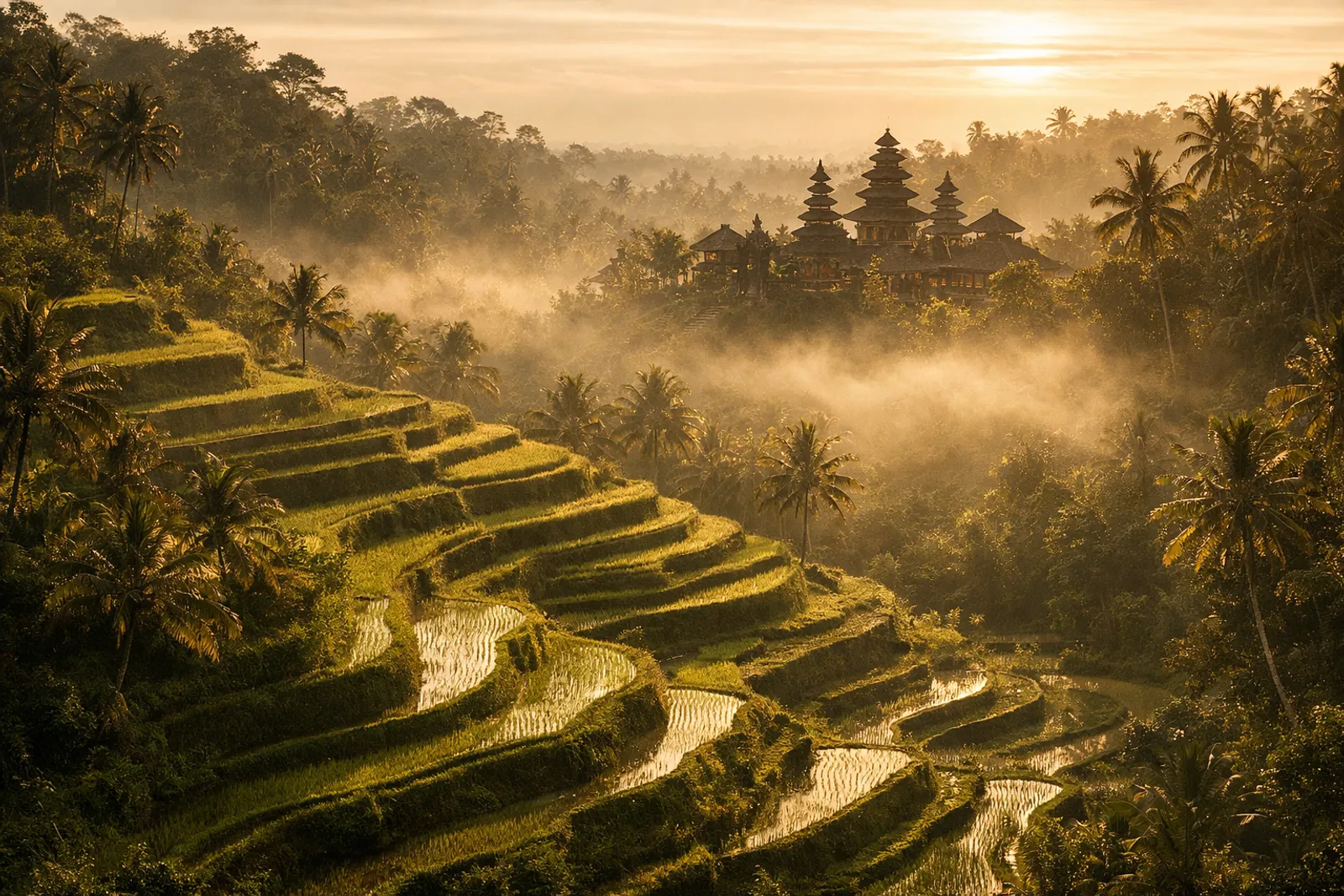
Sri Lanka has the edge in historical depth, with UNESCO World Heritage sites spanning over 2,000 years — the ancient cities of Anuradhapura and Polonnaruwa, the cliff fortress of Sigiriya, the sacred tooth relic temple in Kandy, and colonial-era Galle Fort. The cultural diversity includes Buddhist, Hindu, Muslim, and Christian communities. Bali's culture is more living and visible in daily life — every home has a shrine, ceremonies happen on the streets daily, and the Balinese Hindu artistic tradition permeates everything from dance and music to architecture and cuisine. Bali's temples like Tanah Lot, Uluwatu, and Tirta Empul are spectacular and atmospheric but younger than Sri Lanka's ancient monuments. For historical depth, Sri Lanka wins. For immersive living culture that you experience every day, Bali is extraordinary.

Food and Dining

Bali wins the dining comparison convincingly. While Sri Lankan cuisine is delicious — rice and curry, hoppers, kottu roti, and seafood — the restaurant scene outside Colombo is limited mainly to local eateries and hotel dining rooms. Bali has one of Asia's most diverse food scenes, with everything from USD 2 warung meals to world-class restaurants like Locavore and Apéritif that would earn Michelin stars in any European city. The international variety in Bali is unmatched — Japanese, Italian, Mexican, Indian, Middle Eastern, and fusion cuisines are all represented at a high level. Bali's cafe culture, beach club dining, and brunch scene are leagues ahead of Sri Lanka. For authentic local cuisine at rock-bottom prices, both destinations are comparable. For overall dining quality and variety, Bali is in a different league entirely.

01

Bali street food: USD 2-5 per meal

02

Sri Lanka street food: USD 1-3 per meal

03

Bali fine dining: USD 30-80 per person

04

Sri Lanka fine dining: USD 15-40 per person

05

Bali cafe/brunch culture: world-class

06

Sri Lanka cafe scene: emerging, limited outside Colombo

Wildlife and Nature

Sri Lanka dominates the wildlife category. It is one of the best destinations in Asia for wildlife enthusiasts, with leopards in Yala National Park, wild elephants in Udawalawe, blue whale watching in Mirissa, sloth bears in Wilpattu, and extraordinary birdlife throughout the island. The hill country around Ella and Nuwara Eliya offers stunning tea plantation landscapes and cooler temperatures. Bali's wildlife offering is more modest — the Sacred Monkey Forest, manta ray snorkeling at Nusa Penida, dolphin watching in Lovina, and the Bali Bird Park are highlights, but they cannot match Sri Lanka's diversity. For nature and wildlife-focused travellers, Sri Lanka is the stronger choice. Bali compensates with its volcanic landscapes, waterfalls, rice terraces, and underwater marine life.

Frequently Asked Questions

Is Bali or Sri Lanka cheaper?

Sri Lanka is slightly cheaper for basic costs like food and local transport, but Bali offers better value at mid-range and luxury levels due to its more developed tourism infrastructure and competitive pricing. A mid-range Bali trip costs USD 80-150 per day versus USD 50-100 in Sri Lanka, but Bali's accommodation and dining quality is significantly higher at every price point.

Which has better surfing — Bali or Sri Lanka?

Both are world-class surf destinations. Bali offers more consistent year-round surf with a greater variety of breaks from beginner to expert level. Sri Lanka's surf is seasonal — the south coast works from November to April and the east coast from May to October. Arugam Bay in Sri Lanka is legendary but Bali has more spots overall.

Is Sri Lanka safe to visit compared to Bali?

Both destinations are generally safe for tourists. Bali has more established tourism infrastructure and English is more widely spoken. Sri Lanka has improved significantly in recent years and is welcoming to visitors. Standard travel precautions apply to both — secure valuables, be aware of scams, and follow local advice.

Can I combine Bali and Sri Lanka in one trip?

Yes, flights connect Bali and Colombo via Kuala Lumpur or Singapore with journey times of 6-8 hours. A popular combination is 5-7 days in Sri Lanka for culture and wildlife followed by 7-10 days in Bali for beaches, dining, and relaxation. Bali Malayali handles the Bali portion of combined itineraries.

Ready to Plan Your Bali Trip?

Our local team will craft a personalized itinerary tailored to your dates, preferences, and budget.

Plan My Trip on WhatsApp