Southeast Asia Battle

Bali vs Vietnam — Budget, Culture & Experiences Compared

By Adhil P Bhaskaran, Founder Updated April 2026 5 min read

Bali and Vietnam are both Southeast Asian icons that deliver extraordinary travel experiences at accessible prices, but they could hardly be more different in character. Bali is a compact island paradise built around Hindu spirituality, wellness culture, and beach life. Vietnam is a vast, diverse country stretching over 1,600 kilometres from the misty mountains of Sapa to the tropical deltas of the Mekong, offering one of Asia's richest cultural tapestries and arguably the continent's greatest cuisine.

Bali Malayali helps many travellers who are choosing between these two destinations or considering both as part of a larger Asian adventure. Our perspective is that Vietnam offers one of the world's great travel journeys — the north-to-south route through Hanoi, Halong Bay, Hue, Hoi An, and Ho Chi Minh City is among the most rewarding overland trips anywhere. Bali offers a deeper, more immersive single-destination experience where you settle in, slow down, and explore one extraordinarily rich island in depth.

This comparison examines both destinations across budget, food, beaches, cultural experiences, adventure activities, ease of travel, and overall atmosphere. Whether you are a first-time visitor to Southeast Asia or a seasoned explorer, Bali Malayali provides this honest analysis to help you invest your travel time and money wisely.

Budget and Cost of Travel

Vietnam is one of the cheapest countries in Southeast Asia, and basic costs are lower than Bali. Street food in Vietnam costs as little as USD 1-2 per meal, budget guesthouses are USD 10-15 per night, and domestic flights are remarkably cheap at USD 30-50. However, Bali offers superior value at the mid-range and luxury levels. A private pool villa in Bali costs USD 60-100 per night — there is no equivalent in Vietnam at that price point. Bali's beach clubs, spa experiences, and fine dining are significantly cheaper than comparable experiences in Vietnam's resort areas like Da Nang or Phu Quoc. For backpackers on the tightest budgets, Vietnam is cheaper. For travellers wanting comfort and luxury, Bali delivers more per dollar. The total cost for a 10-day Vietnam trip averages USD 40-80 per day, while Bali averages USD 60-150 per day — the gap narrows significantly at higher comfort levels.

01

Vietnam budget: USD 30-50/day backpacker

02

Bali budget: USD 40-70/day backpacker

03

Vietnam mid-range: USD 60-100/day

04

Bali mid-range: USD 80-150/day

05

Vietnam luxury: USD 150-300/day

06

Bali luxury: USD 150-400/day

Food and Culinary Culture

This is arguably the tightest category. Vietnamese cuisine is consistently ranked among the world's greatest — pho, banh mi, bun cha, com tam, and fresh spring rolls represent just the surface of an incredibly deep culinary tradition that varies dramatically by region. The street food culture is legendary, with entire streets dedicated to single dishes. Bali's own cuisine — babi guling, nasi campur, sate lilit, and lawar — is rich and flavourful but less internationally renowned. Where Bali compensates is in its restaurant diversity — the international dining scene in Seminyak and Ubud offers Japanese, Italian, Mexican, Indian, and fusion cuisines at an extraordinarily high level. Bali also has a cafe and brunch culture that Vietnam is only beginning to develop. For authentic local food adventure, Vietnam wins. For overall dining variety and quality across all cuisines, Bali has the edge.

Beaches and Coastal Experiences

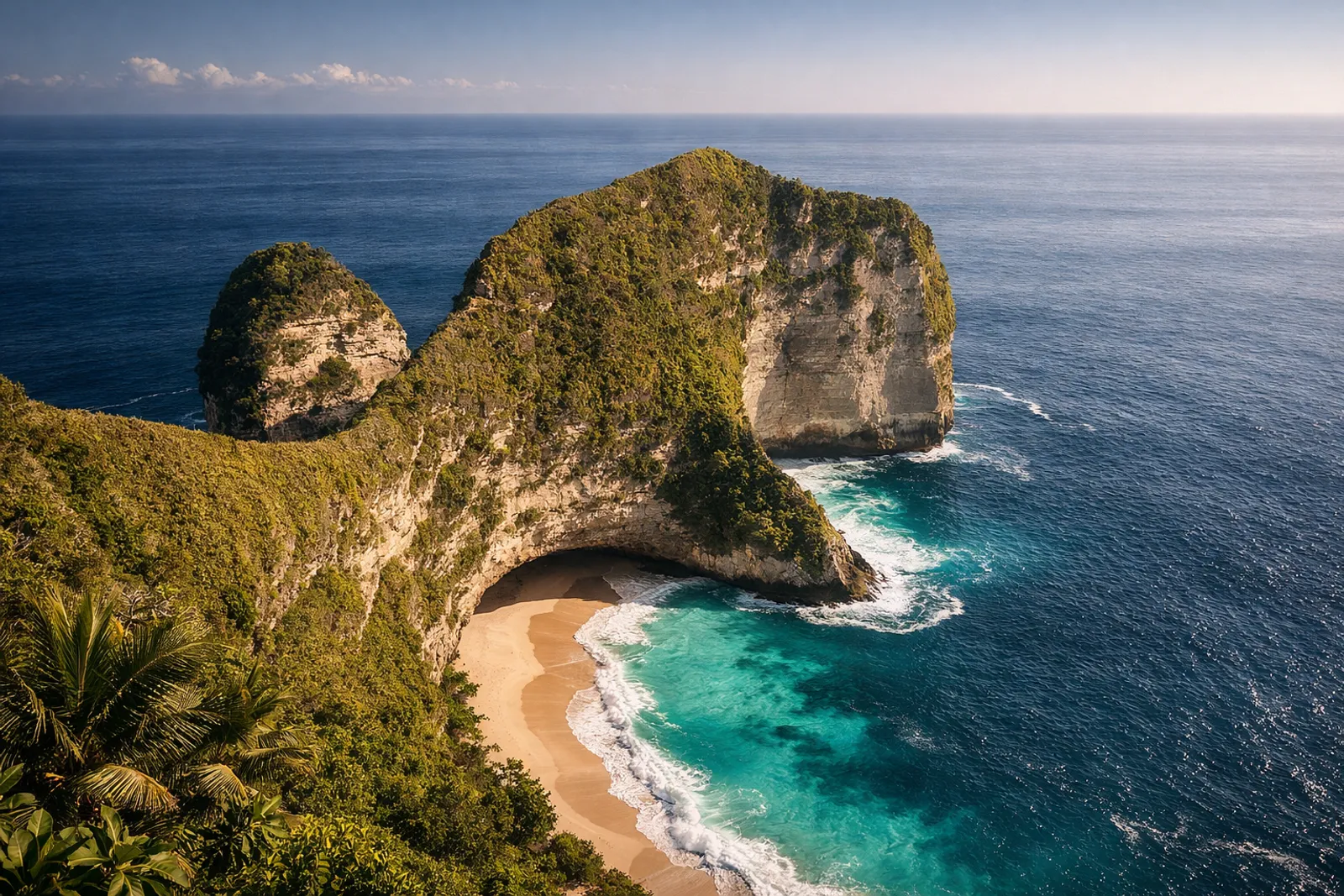
Bali is the clear winner for beach experiences. While Vietnam has beautiful coastline — notably Da Nang, Phu Quoc, and Nha Trang — the beach infrastructure, water quality, and overall experience in Bali is superior. Bali's beach club scene has no equivalent in Vietnam. The offshore islands of Nusa Penida, Nusa Lembongan, and the Gili Islands add stunning variety. For surfing, Bali is world-class while Vietnam offers only limited breaks. Vietnam's iconic coastal scenery is Halong Bay, which is spectacular but a boat experience rather than a beach one. For snorkeling and diving, Bali's Coral Triangle location gives it access to far richer marine biodiversity. If beaches and ocean activities are priorities, Bali wins decisively.

Culture and Historical Depth

Vietnam offers deeper historical breadth, with over 4,000 years of recorded history spanning Chinese dynasties, Cham kingdoms, French colonialism, and the modern era. Hoi An's ancient town, Hue's imperial citadel, Hanoi's Old Quarter, and the Cu Chi tunnels provide extraordinary cultural immersion across different eras. Bali's cultural richness is more concentrated and immediately accessible — you experience Hindu ceremonies, temple visits, traditional dance, and artistic traditions simply by walking through any village. Bali's culture is living and present rather than preserved in museums. For history enthusiasts who love exploring ancient sites and understanding complex political narratives, Vietnam has more to offer. For travellers who want to immerse in a vibrant living culture without visiting specific historical sites, Bali's everyday spiritual richness is unmatched.

Frequently Asked Questions

Is Vietnam cheaper than Bali?

At the budget backpacker level, yes — Vietnam's street food, transport, and basic accommodation are cheaper. At mid-range and luxury levels, the difference narrows significantly, and Bali often offers better value due to its competitive tourism market and the exceptional quality of its villas, restaurants, and wellness facilities.

Which has better food — Bali or Vietnam?

Vietnamese cuisine is generally considered superior for local food — it is one of the world's great culinary traditions. However, Bali offers far more international dining variety, with world-class restaurants serving cuisines from around the globe. For food-focused travel, Vietnam is better for street food; Bali is better for overall restaurant diversity.

Should I visit Bali or Vietnam for two weeks?

Vietnam suits two weeks perfectly for a north-to-south journey covering Hanoi, Halong Bay, Hue, Hoi An, and Ho Chi Minh City. Bali also fills two weeks wonderfully with Ubud, Seminyak, Uluwatu, Nusa Penida, and the Gili Islands. Your choice depends on whether you want a journey through diverse cities or deep exploration of one paradise island.

Can I visit both Bali and Vietnam in one trip?

Absolutely. Direct flights connect Bali with Ho Chi Minh City and Hanoi in 4-5 hours. A popular combination is 10-14 days in Vietnam for culture and food followed by 7-10 days in Bali for beaches and relaxation. Bali Malayali can plan the Bali portion of your combined Southeast Asia itinerary.

Ready to Plan Your Bali Trip?

Our local team will craft a personalized itinerary tailored to your dates, preferences, and budget.

Plan My Trip on WhatsApp