Safety Guide

Is Bali Safe? Complete Safety Guide for Tourists 2026

By Adhil P Bhaskaran, Founder Updated April 2026 7 min read

Is Bali safe? It is the question that every first-time visitor types into Google at some point during their trip planning, and the answer is reassuringly positive. Bali is one of the safest tourist destinations in Southeast Asia, welcoming over 6 million international visitors annually with an excellent safety track record. Violent crime against tourists is extremely rare, the Balinese people are genuinely warm and welcoming, and the tourism infrastructure is well-developed to protect visitors. That said, no destination is without risks, and being informed about the real safety considerations helps you travel confidently.

At Bali Malayali, safety is the foundation of every trip we plan. We live on this island, our families are here, and we take the wellbeing of every traveller we work with seriously. We know the real safety landscape — not the sensationalised headlines or the fearful forum posts, but the actual day-to-day reality of what tourists face. The most common issues are petty scams, traffic accidents, and health problems from food or sun — none of which are unique to Bali and all of which are easily preventable with basic awareness.

This comprehensive safety guide covers every aspect of staying safe in Bali — from common tourist scams and how to avoid them, to health precautions, natural disaster awareness, women's safety, LGBTQ+ travel considerations, and emergency contacts. The Bali Malayali team's goal is not to scare you but to empower you with the knowledge that lets you relax, explore, and enjoy this incredible island with total confidence.
Overall Safety & Crime

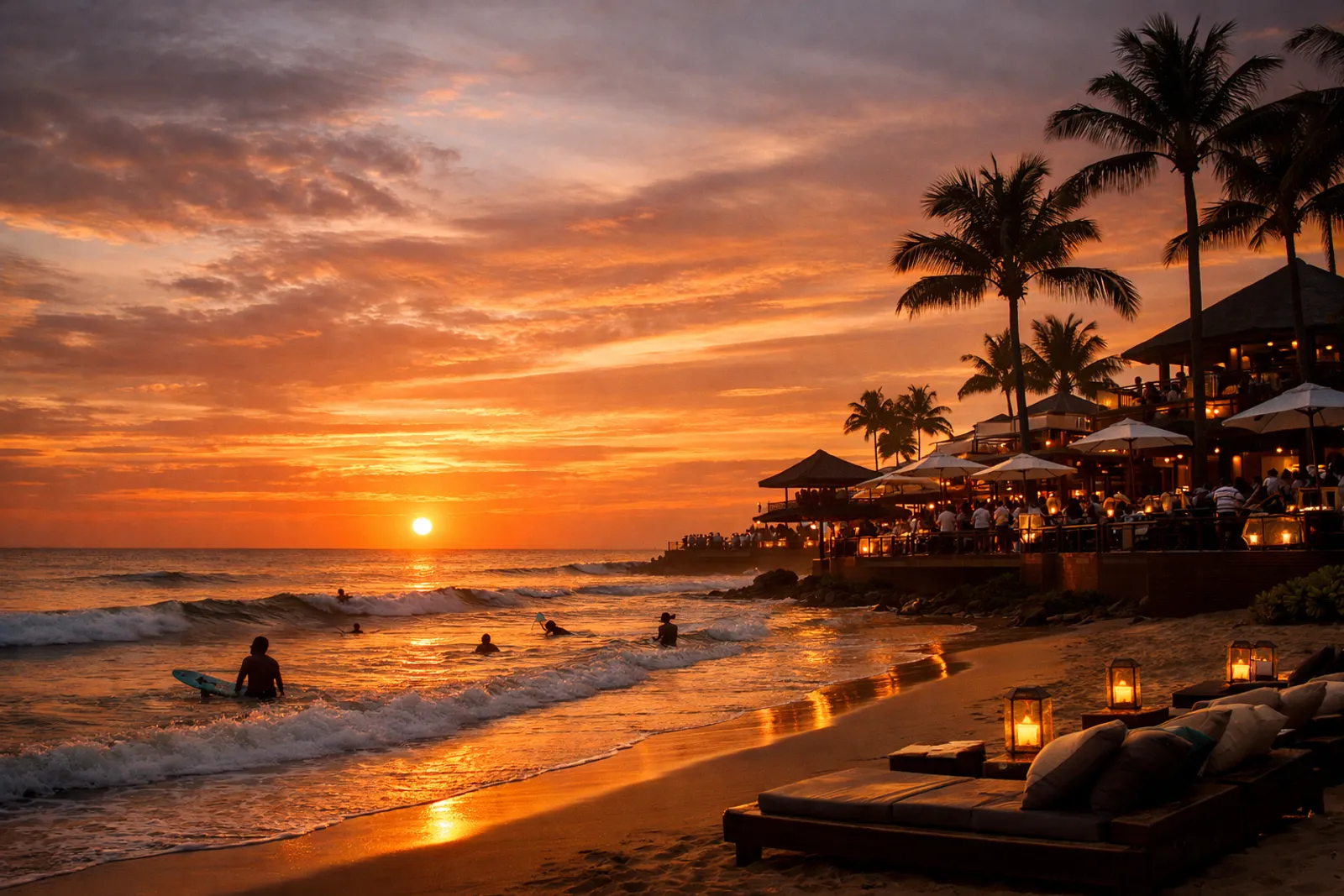
Bali has a low crime rate compared to most popular tourist destinations worldwide. Violent crime against tourists is extremely rare — you are far safer walking Bali's streets at night than in most major Western cities. The Balinese culture is deeply rooted in Hindu values of harmony and community, and locals generally look out for visitors. That said, petty crimes like bag snatching (from scooters), pickpocketing in crowded markets, and opportunistic theft from unattended belongings do occur. Use common-sense precautions: keep valuables in your hotel safe, use cross-body bags in markets, do not leave phones and wallets unattended at the beach, and avoid displaying expensive jewellery or large amounts of cash in public. Most hotels and villas are very secure, with 24-hour security staff at larger properties.

Common Tourist Scams & How to Avoid Them

Several scams specifically target tourists in Bali. The money changer scam involves exchanging currency at shops offering unbelievably good rates, then using sleight-of-hand to short-change you during counting. The taxi meter scam involves drivers who claim their meter is broken and charge inflated fixed prices. The temple 'donation' scam involves unofficial guides at temples pressuring you for large 'donations' for blessings. The massage beach scam involves persistent sellers on beaches who provide services then demand excessive payment. The ATM skimming scam involves devices attached to ATM card slots that copy your card details. Prevention is straightforward: use only authorised money changers (BMC, Central Kuta), insist on metered Blue Bird taxis or use Grab, politely decline unsolicited temple guides, agree on prices before any service, and use bank-branch ATMs only.

01

Money changer sleight-of-hand

use BMC or Central Kuta only

02

Broken taxi meter

use Blue Bird or Grab

03

Fake temple donations

politely decline unofficial guides

04

Beach massage overcharging

agree on price first

05

ATM skimming

use bank-branch ATMs only

Health & Medical Safety

The most common health issues for tourists in Bali are Bali Belly (travellers' diarrhoea), sunburn, and mosquito-borne illnesses. Bali Belly affects 30–50% of visitors to some degree and is usually caused by unfamiliar bacteria in food or water. Prevention includes drinking only bottled or filtered water, avoiding ice at very basic warungs (upscale restaurants use filtered ice), eating freshly cooked hot food, and washing hands frequently. If you get Bali Belly, oral rehydration salts and rest usually resolve it within 24–48 hours. Sunburn is deceptively easy to get near the equator — use SPF 50+ even on cloudy days. Dengue fever is present in Bali, transmitted by daytime mosquitoes — use DEET-based repellent and cover up at dawn and dusk. For serious medical issues, BIMC Hospital in Kuta and Siloam Hospital in Denpasar offer international-standard care.

Traffic & Road Safety

Traffic accidents are statistically the biggest safety risk for tourists in Bali, particularly involving scooters. Bali's roads are chaotic by Western standards — narrow lanes shared with cars, trucks, scooters, pedestrians, dogs, and ceremonial processions. If you rent a scooter, always wear a helmet, carry your international driving permit, never ride after drinking, and ride defensively. Road surfaces can be unpredictable with potholes, sand, and loose gravel, especially in rural areas. For non-riders, always look both ways multiple times before crossing roads, as scooters frequently ride the wrong way on one-way streets. Hiring a private driver eliminates the biggest safety risk entirely and costs only $35–55 per day.

Solo Female Travel Safety

Bali is widely regarded as one of the safest destinations in Asia for solo female travellers. Thousands of women travel solo in Bali every year and have overwhelmingly positive experiences. The Balinese culture is respectful and non-aggressive, and the well-established tourist infrastructure means there are always other travellers around. Standard solo female travel precautions apply: avoid walking alone in isolated areas at night, be cautious about accepting drinks from strangers, share your itinerary with someone at home, and trust your instincts. Some areas (particularly Kuta's nightlife strip) have more persistent male attention than others. Ubud, Canggu, and Sanur are considered especially comfortable for solo female travellers due to their relaxed, community-oriented atmospheres.

Natural Disasters & Emergency Preparedness

Bali sits in the Pacific Ring of Fire, which means earthquakes and volcanic activity are real considerations. Mount Agung last erupted in 2017–2018, causing temporary airport closures and evacuations in eastern Bali. Earthquakes are felt periodically but rarely cause significant damage to well-built structures. Tsunamis are possible but warning systems have improved significantly since 2004. During your trip, note your accommodation's emergency exits, keep your passport and essential documents accessible, have the BMKG earthquake app installed on your phone, and register with your country's embassy. In practice, the risk is very low — millions of tourists visit annually without incident — but basic preparedness is sensible.

Frequently Asked Questions

Is Bali safe for tourists in 2026?

Yes, Bali is very safe for tourists. It has one of the lowest violent crime rates of any major tourist destination. The most common issues are petty scams, traffic accidents, and minor health problems — all easily preventable with basic awareness. Over 6 million international tourists visit safely every year.

What are the biggest scams in Bali?

The most common scams are money changer short-changing tricks, broken taxi meters with inflated prices, unsolicited temple guide donation pressure, ATM card skimming, and beach sellers who perform unrequested services then demand excessive payment. Prevention is simple: use authorised services, agree on prices upfront, and use bank-branch ATMs.

Is Bali safe for solo female travellers?

Bali is widely considered one of the safest destinations in Asia for solo women. The Balinese culture is respectful and welcoming, and the well-established tourist infrastructure means you are never truly alone. Ubud, Canggu, and Sanur are particularly comfortable for solo female travellers. Standard precautions like avoiding isolated areas at night and trusting your instincts apply.

Is it safe to drink the water in Bali?

No, do not drink tap water in Bali. Always drink bottled water or water filtered through a reputable system. Most hotels provide complimentary bottled water. Upscale restaurants use filtered water for ice and cooking, but very basic warungs may not. Brushing teeth with tap water is generally fine, but avoid swallowing it.

What should I do in an earthquake in Bali?

If you feel an earthquake, drop to the ground, take cover under a sturdy table or desk, and hold on until the shaking stops. If outdoors, move away from buildings, trees, and power lines. If near the coast, move to higher ground immediately after strong shaking as a precaution against potential tsunamis. Install the BMKG earthquake app for real-time alerts.

Are there dangerous animals in Bali?

Bali has very few dangerous animals. The main concerns are monkeys at temple sites (which can bite if provoked or if they see food), stray dogs (avoid touching them due to rabies risk), and occasional sea creatures like jellyfish or sea urchins in certain waters. Snakes exist but encounters are rare in tourist areas. Always look where you step on jungle trails.

How good are hospitals in Bali?

Bali has several international-standard hospitals. BIMC Hospital in Kuta and Siloam Hospital in Denpasar are the most recommended for tourists, with English-speaking staff, modern facilities, and 24-hour emergency departments. Medical care is significantly cheaper than in Western countries. Always have travel insurance that covers medical evacuation for serious conditions.

Is Bali safe for LGBTQ+ travellers?

Bali is generally tolerant and welcoming to LGBTQ+ travellers, particularly in tourist areas like Seminyak, Canggu, and Ubud. Seminyak has several LGBTQ+-friendly bars and venues. However, Indonesia as a whole is conservative on LGBTQ+ issues, and public displays of affection may attract unwanted attention outside tourist zones. Discretion is advisable in rural and non-tourist areas.

Ready to Plan Your Bali Trip?

Our local team will craft a personalized itinerary tailored to your dates, preferences, and budget.

Plan My Trip on WhatsApp